 BeNewz
Related Articles
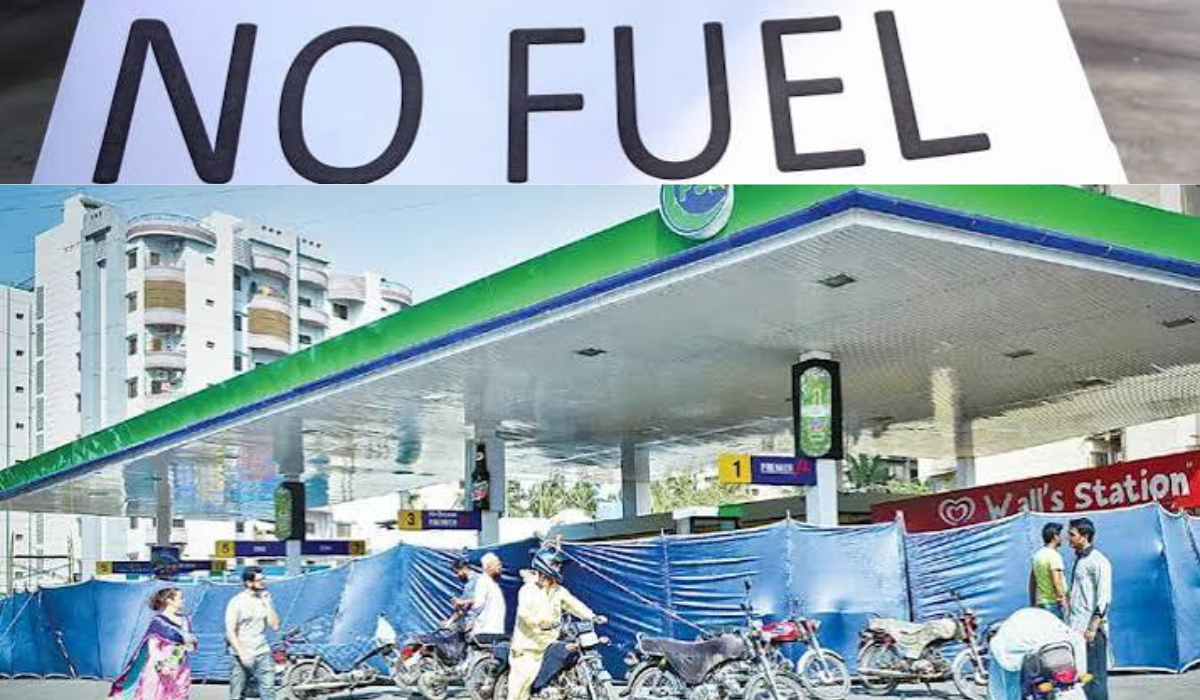
–Petroleum dealers issue 72-hour ultimatum to government for 8% margin as goods transporters remain off roads
BeNewz Report
ISLAMABAD: Pakistan is bracing for a major fuel crisis as petroleum dealers have announced an indefinite nationwide shutdown of petrol pumps from August 15, while goods transporters continue their wheel-jam strike for the fourth consecutive day. The overlapping protests threaten to paralyze fuel supply and goods movement across the country.
Dealers Issue Final Warning
Pakistan Petroleum Dealers Association (PPDA) Chairman Malik Khuda Baksh announced the decision at a press conference on Tuesday, stating that petrol pumps across the nation would close from 6:00 AM on August 15 if the government fails to address their demands.
“The association has given the government a 72-hour ultimatum and warned that dealers will not be able to continue operating petrol pumps if their demands are not accepted,” Baksh said, adding that dealers are demanding an 8% margin on petrol and “our patience has run out”.
Baksh emphasized that the association represents approximately 14,000 dealers who are under mounting financial pressure. He revealed that the government had been given two weeks to address their concerns, but the deadline has expired without meaningful progress.
“We withdrew the strike 15 days ago on ethical grounds because we believed the government was serious,” Baksh explained, expressing frustration that no concrete action has been taken since.
Key Demands
The dealers are pushing for several reforms:
-
Increased profit margin: The current commission structure has become unsustainable, with dealers receiving only around Rs8 per litre amid rising operational costs.
-
Review of daily pricing mechanism: Dealers have strongly opposed the government’s decision to revise petroleum prices on a daily basis, arguing it creates serious working capital problems and financial instability.
-
Transparent policy implementation: Concerns have been raised over delays in implementing previously agreed decisions with the government.
In a letter sent to Petroleum Minister Ali Pervaiz Malik on August 7, the association formally called for a review of the daily fuel pricing policy and demanded greater consultation with stakeholders.
Past Assurances Remain Unfulfilled
On July 22, the All Pakistan Petrol Pump Owners Association (APPPOA) had postponed a planned nationwide shutdown for two weeks following successful negotiations with Petroleum Minister Ali Pervaiz Malik, who assured dealers that their concerns would be addressed.
However, dealers claim the government failed to deliver on its promises. Vice Chairman of the association, Anwar Kamal, stated that the government has not contacted the association during the past two weeks, nor have they been informed of any progress on their demands.
Goods Transport Strike Adds to Pressure
The petroleum dealers’ announcement comes amid an ongoing wheel-jam strike by the All Pakistan Goods Transport Alliance, which entered its fourth day on Monday.
Negotiations between the government and transport representatives failed to yield a breakthrough on Monday, with Alliance President Malik Shehzad Awan announcing that the strike would continue indefinitely.
Awan stated that despite detailed talks with federal and Sindh government representatives, “a deadlock persists and no concrete progress has been made on the transporters’ demands”. He emphasized that “verbal assurances are not enough – we need written and implementable commitments”.
The transporters are protesting against:
-
Increased petrol and diesel prices
-
The daily pricing mechanism for petroleum products
-
The imposition of 7% withholding tax on the transport industry
Impact on Supply Chains
The transport strike has already disrupted goods movement across the country, with hundreds of trucks carrying fruits and vegetables stranded for days, affecting trade and supply chains. Operations at Port Qasim have also been disrupted as transporters parked their vehicles at the port.
Combined with the looming petrol pump shutdown, the twin crises could create severe shortages of fuel and essential commodities if unresolved. A prolonged closure could put pressure on public and private transport and create difficulties for sectors that rely on regular fuel supplies.
Government Response and Next Steps
Communications Minister Abdul Aleem Khan and Petroleum Minister Ali Pervaiz Malik participated in negotiations with transport representatives, but no agreement was reached. The government has yet to announce a fresh breakthrough or respond to the dealers’ 72-hour ultimatum.
The Petroleum Dealers Association has warned that they “will not reopen petrol stations until our demands are met,” raising concerns about fuel availability for millions of commuters, transporters, and businesses if the impasse continues.
With both sides showing little willingness to back down, the coming days will be critical in determining whether Pakistan faces a full-blown fuel crisis or whether the government can broker a last-minute deal to avert the shutdown.