 BeNewz
Related Articles



Aftab Maken
ISLAMABAD: Pakistan’s annual inflationary pressure remained elevated, with the Sensitive Price Indicator (SPI) rising 9.05 percent year-on-year during the week ended July 30, 2026, despite a marginal 0.91 percent decline in prices on a weekly basis, according to the latest data released by the Pakistan Bureau of Statistics (PBS).
The SPI, which monitors prices of 51 essential commodities across 50 markets in 17 cities, showed that households continued to face significant pressure from higher prices of basic food and energy items compared with the same period last year.
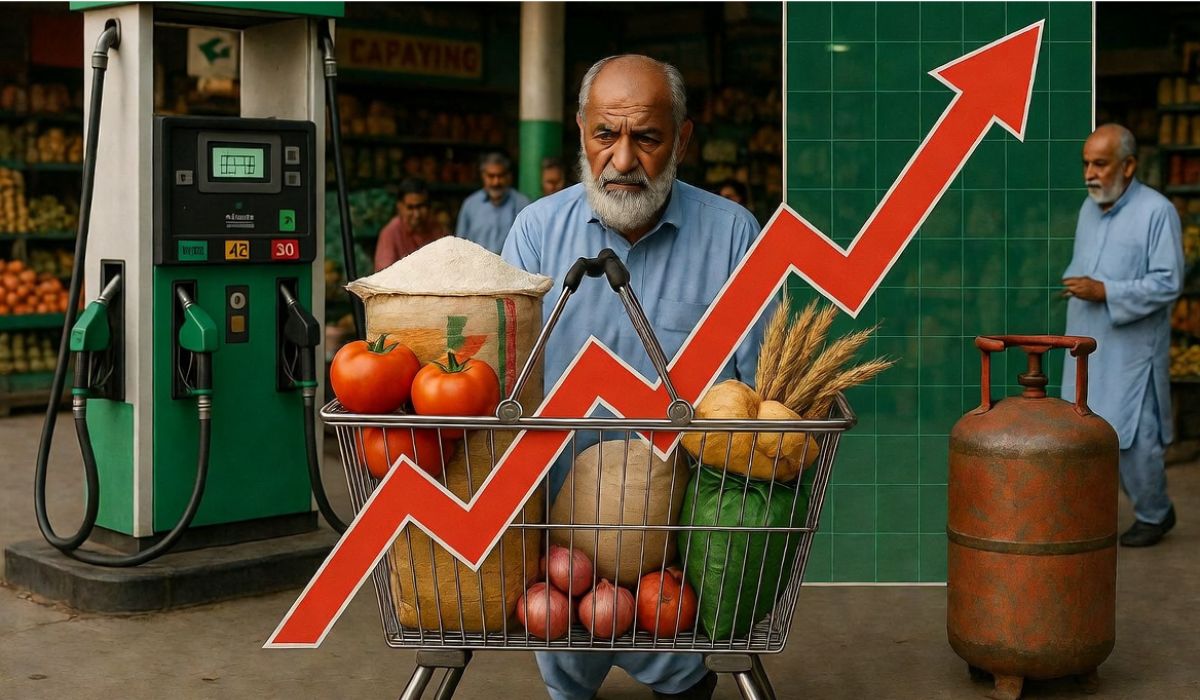
The sharpest annual increase was recorded in tomato prices, which surged by 228.71 percent. Onion prices increased by 95.36 percent, while wheat flour became 78.65 percent more expensive compared with the corresponding week of last year.
Energy-related costs also remained substantially higher. LPG prices rose 51.76 percent year-on-year, followed by diesel at 37.42 percent and petrol at 23.28 percent.
Among other essential commodities, mutton prices increased by 16.06 percent, beef by 13.44 percent, bananas by 14.69 percent and chilli powder by 15.20 percent.
On a week-on-week basis, however, the SPI recorded a 0.91 percent decline, largely due to a sharp drop in prices of some perishable items. Tomato prices fell 22.96 percent, chicken prices declined 11.20 percent, while electricity charges for households in the lowest consumption category decreased by 9.06 percent.
Despite the overall weekly decline, prices of 27 out of the 51 monitored items increased during the week. Onion prices rose 7.62 percent, diesel 4.17 percent, eggs 3.16 percent, petrol 2.46 percent and wheat flour 2 percent.
The inflationary burden was slightly higher for low-income households. The SPI for the lowest expenditure group, Q1, increased 9.37 percent year-on-year, compared with the overall increase of 9.05 percent.
The latest figures indicate that the weekly decline in prices has provided only limited relief to consumers, as the substantial year-on-year increases in staple food items and fuels continue to keep household living costs under pressure.
While lower prices of tomatoes, chicken and electricity offered some temporary relief during the week, the continued rise in major food and energy prices suggests that inflation remains a significant challenge, particularly for lower-income households.