 BeNewz
Related Articles


Aftab Maken
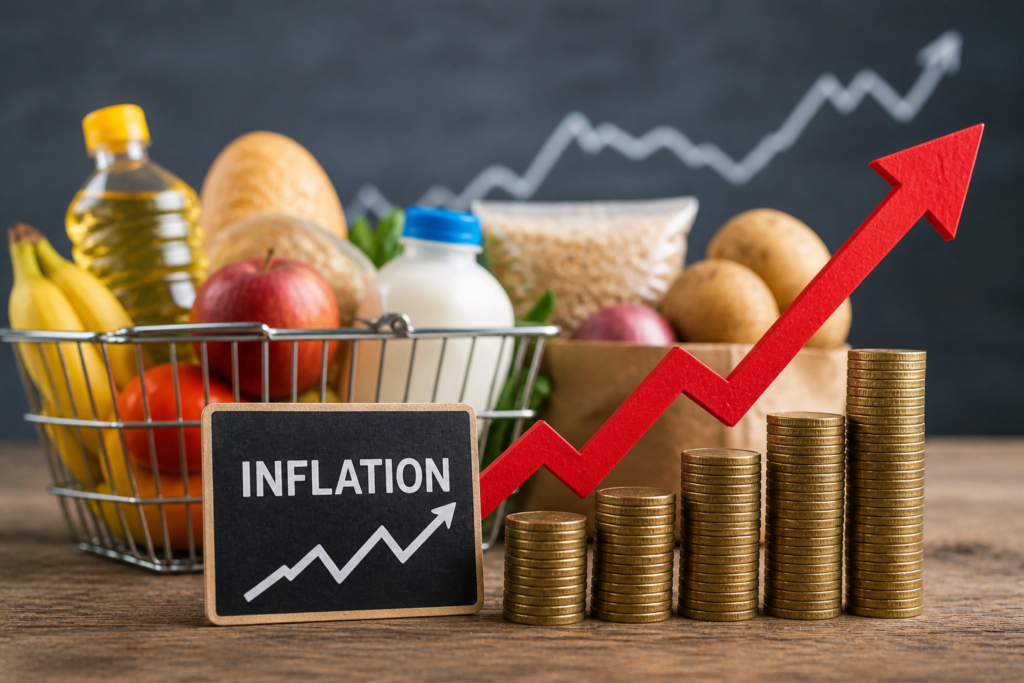
ISLAMABAD: Consumer prices surged sharply in April 2026, with Pakistan’s inflation accelerating to 10.9% year-on-year, reflecting mounting pressure on households amid rising fuel and food costs.
The latest data released by the Pakistan Bureau of Statistics shows inflation increased significantly from 7.3% recorded in March 2026 and just 0.3% in April last year, indicating a steep upward trend. On a month-on-month basis, consumer prices rose 2.5% in April, compared to a 1.2% increase in the previous month.
Urban areas experienced slightly higher inflation, rising 11.1% year-on-year, while rural inflation stood at 10.6%, highlighting broad-based price pressures across the country. Monthly inflation in urban areas climbed 2.7%, compared to 2.1% in rural regions, suggesting stronger cost pressures in cities.
Short-term price movements also pointed to worsening inflation. The Sensitive Price Indicator (SPI), which tracks weekly changes in essential commodities, rose 0.62% in the week ending April 30, 2026. Key increases were recorded in fuel and food items, with diesel prices rising 7.53% and petrol up 7.18%. Wheat flour prices climbed 4.74%, while essential food items such as potatoes, bread, and pulses also recorded notable increases.
The weekly data showed mixed trends, with prices of 14 out of 51 essential items rising, while 13 items declined and 24 remained unchanged. However, the overall direction remains upward, driven by higher energy costs and supply pressures.
On a year-on-year basis, SPI inflation surged 14.52%, reflecting steep increases in key household expenses. Petrol prices have jumped 54.44% over the past year, while electricity charges increased 52.58%. Liquefied petroleum gas (LPG) rose 47.95% and diesel climbed 47.05%, significantly raising transportation and utility costs.
Food inflation also contributed to the rise, with wheat flour prices increasing 44.57% and onions 39.55% compared to last year. Meat prices, including mutton and beef, also saw double-digit increases, adding further strain on household budgets.
Wholesale Price Index (WPI) inflation, a key indicator of input costs, rose 13.6% year-on-year in April, nearly doubling from 6.7% in March. On a monthly basis, WPI increased 5.1%, signaling rising production costs that could further pass through to consumer prices in coming months.
Analysts say the spike in inflation is largely driven by recent increases in fuel prices, electricity tariffs, and essential commodities, combined with currency pressures and global energy market volatility. The continued rise in input costs is expected to keep inflation elevated in the near term.
Pakistan’s inflation outlook remains challenging, with policymakers facing the difficult task of balancing price stability and economic growth. Economists warn that sustained inflation at current levels could erode purchasing power, dampen consumption, and complicate recovery efforts.
The inflation surge underscores growing macroeconomic pressures, making price stability a key concern for both policymakers and households across Pakistan as the country navigates a fragile economic environment.
