 BeNewz
Related Articles

Aftab Maken
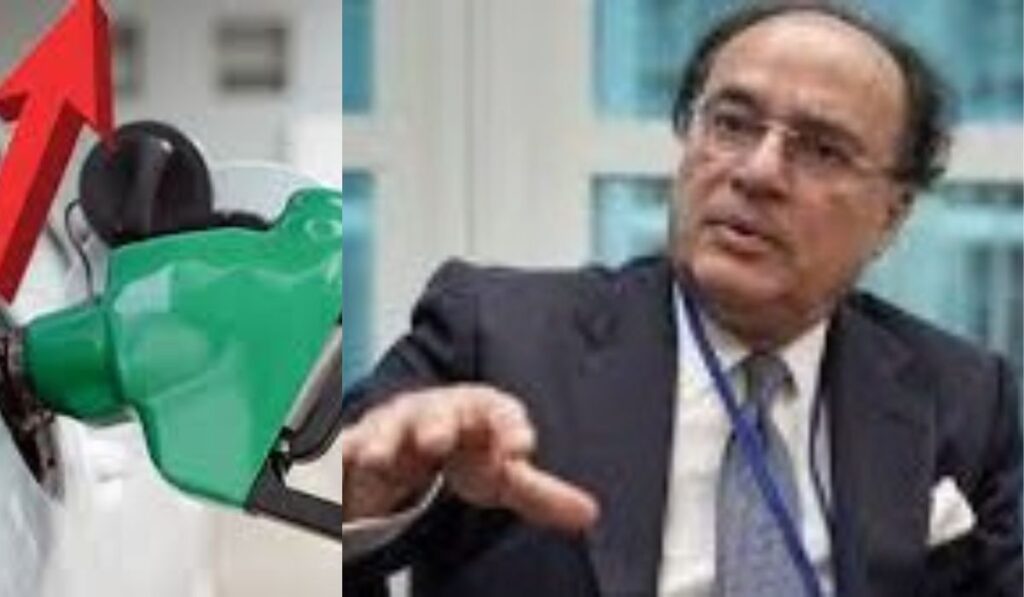
ISLAMABAD: Pakistan’s abrupt fuel price hike and rapid reversal have intensified political pressure on Finance Minister Muhammad Aurangzeb, with speculation growing over his future amid fiscal strain and public anger.
Pakistan’s government faced mounting political heat after a record fuel price hike triggered widespread backlash and forced a rapid policy reversal within a day. The episode has fueled speculation that Finance Minister Muhammad Aurangzeb could face removal as pressure builds over economic management.
The government announced the sharp increase on April 2, citing rising global oil prices linked to Middle East tensions. Petrol and diesel rates surged to historic highs, driven partly by a steep rise in the Petroleum Development Levy. Officials said the move was necessary after global crude markets became volatile following escalating conflict involving the United States and Iran.
Petroleum Minister Ali Pervaiz Malik defended the decision, saying subsidies worth Rs129 billion had already strained public finances. He said the government could no longer sustain blanket relief as fiscal space narrowed sharply. The levy increase became a central criticism point, with analysts calling it a policy misstep amid weak revenue collection.
However, Petroleum Minister in a Tv show directly criticized the finance minister for his failure being head of FBR to report shortfall of Rs 610 billion, leaving no option with the Petroleum Ministry to swallow a bitter pill of increasing PDL to Rs 160 per litre in his joint presser with his cabinet colleague. The Minister further said that the whole process of POL price increase should be thoroughly investigated and there should be complete “accountability” for this.
According to Federal Board of Revenue data, Pakistan has struggled to meet tax targets in recent quarters. Shortfalls have increased reliance on indirect taxation, especially petroleum levies, to bridge fiscal gaps. Economists say such measures provide immediate revenue but risk worsening inflation and public discontent.
Pakistan’s fuel pricing remains highly sensitive to global markets due to heavy import dependence. The Pakistan Bureau of Statistics estimates petroleum imports often exceed $15 billion annually, depending on oil prices. The State Bank of Pakistan has repeatedly warned that rising oil costs widen the current account deficit and fuel inflationary pressures.
The price hike triggered strong public reaction, with protests and criticism spreading across major cities and online platforms. Many citizens already face high living costs, with inflation remaining elevated in recent fiscal periods. Fuel price increases typically raise transport and food costs, amplifying economic pressure on households.
Social media speculation quickly turned toward political accountability, with some users suggesting Aurangzeb could be replaced to defuse public anger. While no official confirmation exists, the narrative gained traction amid broader dissatisfaction with economic governance.
Prime Minister Shehbaz Sharif intervened on April 3 and ordered a partial rollback to ease pressure. The government reduced the petroleum levy significantly, bringing petrol prices down and framing the move as targeted relief. The reversal helped calm immediate outrage but raised questions about policy consistency.
Pakistan remains under an International Monetary Fund programme requiring strict fiscal discipline and revenue reforms. Petroleum levies have become a key tool to meet IMF targets without expanding the fiscal deficit. According to IMF reports, Pakistan has committed to increasing revenue collection while reducing untargeted subsidies.
Historically, fuel pricing has been politically sensitive in Pakistan, often triggering public protests and policy reversals. Previous governments have faced similar backlash when adjusting prices under IMF-linked reforms. Analysts say the latest episode reflects structural weaknesses in revenue mobilization and energy policy.
The government has increasingly shifted toward targeted subsidies through programmes like the Benazir Income Support Programme. However, limited fiscal space restricts broader relief measures, leaving middle-income households exposed to price shocks. Experts argue that sustainable reform requires expanding the tax base rather than relying heavily on indirect levies.
The timing of the controversy is critical as Pakistan prepares for IMF and World Bank Spring Meetings in Washington starting April 11. Economic officials, led by Aurangzeb, are expected to engage with global lenders on programme reviews and future financing. Any leadership change could affect continuity in negotiations and investor confidence.
Energy market volatility remains a key risk, with global oil prices fluctuating geopolitical tensions. Analysts note that supply disruptions and shipping risks continue to influence crude benchmarks like Brent. Pakistan’s vulnerability to external shocks highlights the urgency of diversifying energy sources and improving domestic capacity.
Despite growing speculation, Aurangzeb continues to hold office and lead economic policy coordination. No official statement has indicated an imminent cabinet reshuffle or replacement. Government sources emphasize stability as essential for ongoing reform efforts and external engagements.
The fuel price crisis underscores the fragile balance between fiscal consolidation and political sustainability in Pakistan. While the rollback eased immediate pressure, underlying economic challenges remain unresolved. The future of Muhammad Aurangzeb will likely depend on how effectively the government manages inflation, revenue targets, and public expectations in coming months.