 BeNewz
Related Articles

–Govt reallocates PSDP funds to manage fuel prices and build reserves
Aftab Maken
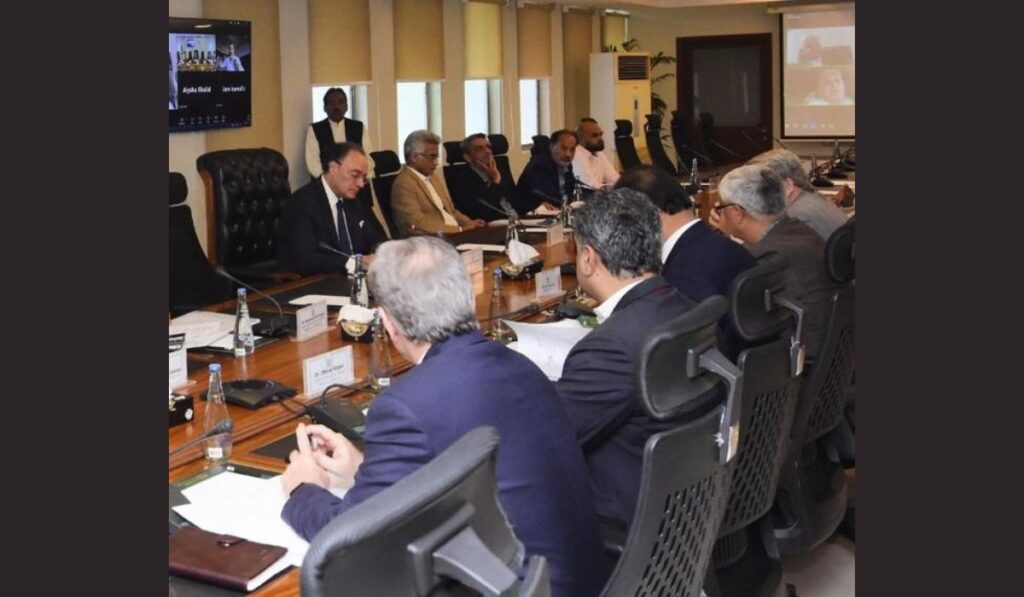
ISLAMABAD: The Economic Coordination Committee (ECC) has approved a Rs100 billion technical supplementary grant on Thursday to fund the Prime Minister’s austerity initiative and reviewed wheat procurement plans under the Interim National Wheat Policy 2025-26.
The meeting, chaired by Finance Minister Muhammad Aurangzeb in Islamabad, endorsed the grant to be transferred to the Prime Minister’s Austerity Fund 2026. Officials said the move aims to cushion consumers from potential fuel price shocks amid rising geopolitical tensions in the Gulf region.
The government plans to finance the allocation through reallocation of Public Sector Development Programme resources. Officials said funds are being mobilized by surrendering lower-priority allocations across ministries, coordinated by the Planning Division to minimize disruption to critical development projects.
Pakistan’s fuel import bill remains a major pressure point for the external account, with petroleum products accounting for a significant share of total imports. Volatility in global oil prices has historically translated into domestic inflation, prompting governments to use fiscal tools to stabilize prices.
The ECC was informed that initial fund surrenders have already been received, while remaining adjustments are being finalized. The committee stressed the need to create fiscal space without undermining high-priority and well-performing infrastructure projects.
In a separate decision, the ECC reviewed wheat procurement for federal strategic reserves under the Interim National Wheat Policy. The committee approved procurement of up to one million metric tons through private sector participation using a transparent and competitive process.
Pakistan is among the world’s largest wheat producers, with annual output typically ranging between 26 and 28 million tons, according to agriculture ministry data. Wheat is the country’s staple crop, and maintaining adequate reserves is critical for food security and price stability.
Officials briefed the committee on supply and demand conditions, including crop estimates, weather patterns, and existing stock levels. While projections indicate improved crop conditions this season, the ECC noted that uncertainties remain due to climate variability and market dynamics.
The committee emphasized the need for a balanced approach that supports farmers while maintaining market stability. It cautioned against premature interventions that could distort price signals or create unnecessary fiscal burdens.
Pakistan has faced repeated wheat shortages and price spikes in recent years, leading to costly imports and subsidy pressures. The government has since shifted toward a more market-based approach, encouraging private sector participation in procurement and storage.
The ECC highlighted the importance of clearly distinguishing between strategic reserves and commercial stocks. Officials said procurement decisions must align with actual requirements to avoid excessive storage costs and inefficiencies.
The committee directed that key aspects of the procurement plan, including pricing benchmarks, financial implications, and operational mechanisms, be further refined in consultation with the Finance Division before final approval.
The meeting was attended by Commerce Minister Jam Kamal Khan, Investment Minister Qaiser Ahmed Sheikh, and National Food Security Minister Rana Tanveer Hussain, along with senior officials from relevant ministries and regulatory bodies.
Pakistan’s broader fiscal strategy remains focused on controlling inflation, managing external vulnerabilities, and sustaining growth under ongoing reform commitments. Analysts say targeted subsidies and prudent reserve management will be key to maintaining economic stability.
The ECC’s latest decisions reflect the government’s efforts to balance fiscal discipline with consumer protection and food security, as part of a wider policy framework led by the Finance Division.