 BeNewz
Related Articles


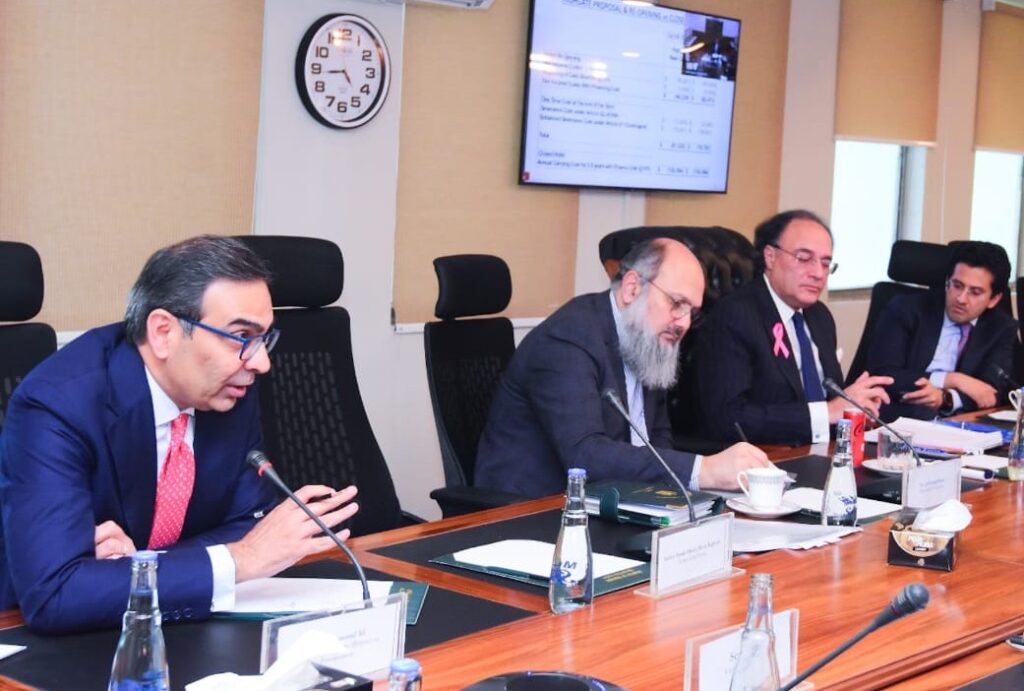
Economic Coordination Committee sanctions major fiscal outlays and trade facilitation measures in latest meeting chaired by Finance Minister Muhammad Aurangzeb.
Aftab Maken
The Economic Coordination Committee (ECC) of the Cabinet approved over Rs. 24 billion in supplementary grants and authorized amendments to Pakistan’s barter trade policy with regional countries during a high-level meeting held in Islamabad on Thursday. The meeting, chaired by Finance Minister Senator Muhammad Aurangzeb, focused on pressing financial obligations and new trade frameworks aimed at strengthening domestic and international economic arrangements.
Among the most consequential decisions was a directive concerning the Roosevelt Hotel in New York, an overseas asset owned by Pakistan International Airlines Investment Limited. The Ministry of Interior and Narcotics Control submitted a proposal seeking financial support for the Roosevelt Hotel, which has encountered a funding shortfall after its lease agreement with the City of New York was terminated. The ECC acknowledged the urgency of the hotel’s operational needs but returned the proposal with instructions for the ministry to re-evaluate and confirm the financial estimates before resubmission.
In a major allocation toward domestic infrastructure compensation, the ECC approved a Technical Supplementary Grant (TSG) of Rs. 4 billion for residents affected by land acquisition in the Defence Complex Islamabad project. These payments will be managed by the Finance Division, while additional funding requirements will be covered by the Capital Development Authority (CDA). This funding comes as a response to long-standing demands from locals whose lands were appropriated for defense infrastructure development.
Public security funding also featured prominently. The Ministry of Interior received approval for a TSG of Rs. 20 billion for law and order maintenance. The Finance Division is set to release these funds incrementally, based on demand and with coordination from the Interior Division. Additionally, a separate amount of Rs. 174.8 million was granted to support law enforcement operations carried out by the Frontier Corps in Khyber Pakhtunkhwa (North), particularly in Peshawar.
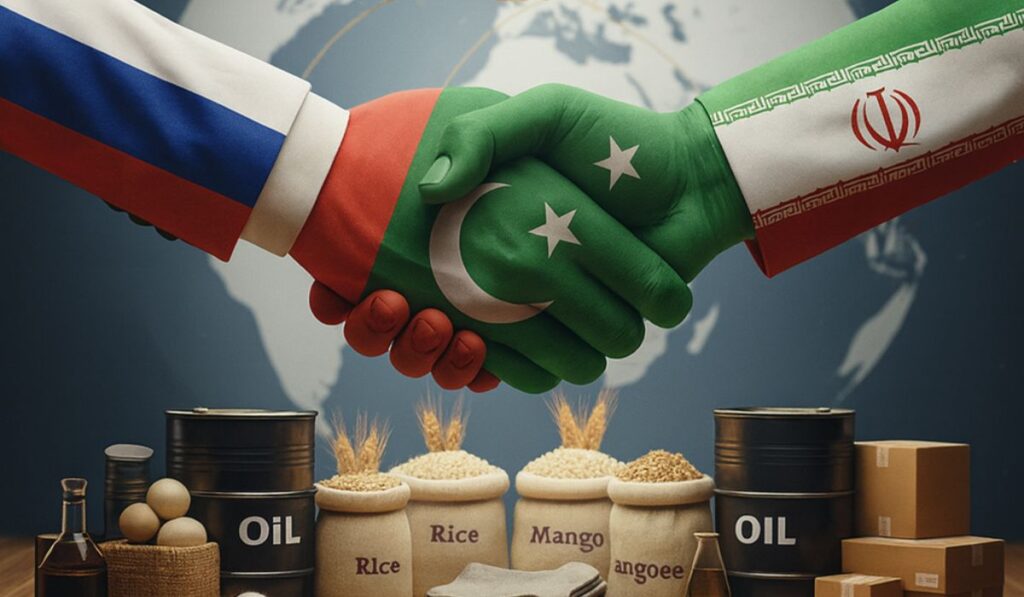
In a significant policy shift in foreign trade facilitation, the ECC greenlit a draft Statutory Regulatory Order (SRO) amending the country’s Business-to-Business (B2B) Barter Trade Mechanism. This mechanism governs bilateral trade with Iran, Afghanistan, and Russia—countries with whom Pakistan shares complex trade relationships due to sanctions, banking restrictions, and geopolitical tensions. The updated regulation is expected to streamline barter exchanges, allowing Pakistani exporters and importers to circumvent traditional banking channels that are often unavailable for transactions with these states.
Barter trade with Iran, in particular, has been a longstanding issue due to U.S.-imposed sanctions that limit Pakistan’s ability to transact in dollars. In 2023, Pakistan formally allowed barter trade with these three countries under specific regulatory mechanisms, but logistical and bureaucratic hurdles limited its effectiveness. The latest amendments aim to improve procedural clarity and increase trade volumes, particularly in sectors like energy, agriculture, and minerals.
These approvals signal the ECC’s focus on balancing immediate domestic security and economic priorities with longer-term international trade facilitation. With rising security expenditures and ongoing macroeconomic pressures, the decisions reflect the government’s effort to align limited fiscal resources with strategic and operational imperatives.
The meeting was attended by key cabinet members including Minister for Petroleum Ali Pervaiz Malik, Minister for Commerce Jam Kamal Khan, Minister for Investment Board Qaiser Ahmed Sheikh, Adviser to the Prime Minister on Privatisation Muhammad Ali, and senior officials from the finance, commerce, and interior ministries. Their presence underscored the multi-ministerial coordination involved in navigating Pakistan’s economic and security policy at a critical time.
The ECC continues to serve as the principal economic decision-making body, particularly in periods of fiscal constraint. With supplementary grants exceeding Rs. 24 billion in this session alone, the committee’s choices will likely influence budgetary priorities and inter-departmental funding negotiations for the remainder of the fiscal year.
The future of the Roosevelt Hotel—an iconic asset linked to Pakistan’s overseas investments—also remains under scrutiny, pending revised financial assessments. As the government revisits its global asset strategy under the oversight of the Privatisation Commission, decisions regarding the Roosevelt could set a precedent for how Pakistan handles similar properties in the future.