 BeNewz

Related Articles



Aftab Maken
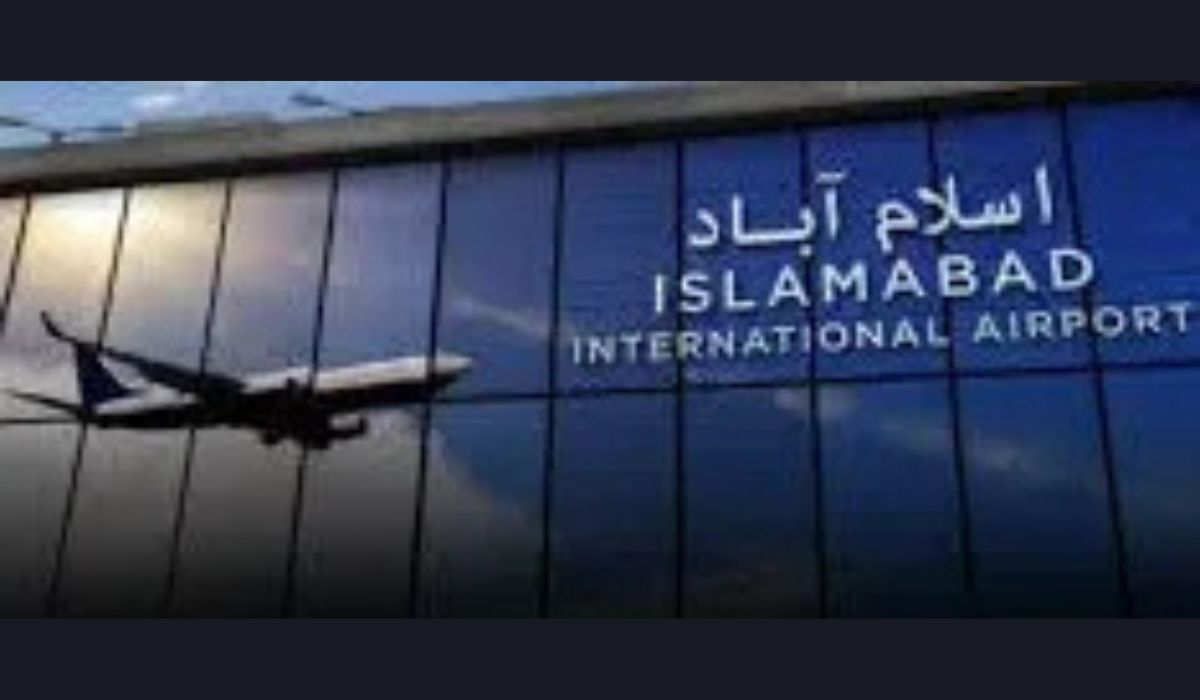
ISLAMABAD: For Pakistan’s aviation sector, the government has officially shelved a high-profile plan to hand over management and operations of Islamabad International Airport (IIAP) to the United Arab Emirates (UAE), following Abu Dhabi’s repeated failure to nominate a partner. The decision marks the end of months of negotiations and opens the door for full privatization, mirroring the triumphant recent sale of Pakistan International Airlines (PIA).
The deadlock crystallized after the UAE, despite showing strong initial interest, dragged its feet on key commitments. Sources familiar with the talks, speaking to The Express Tribune, revealed that Pakistan had issued a final “call letter” demanding clarity on the UAE’s nominated entity. In response, UAE officials conceded they could not confirm any partner at that stage, citing unresolved commercial and technical governance issues in the proposed government-to-government (G2G) framework agreement. They ultimately conveyed disinterest in proceeding, prompting Islamabad to pull the plug.
This outcome follows a series of intensive diplomatic and bureaucratic efforts. The Pakistani government had formed a dedicated negotiation committee, chaired by the Adviser to the Prime Minister on Privatisation, tasking it with engaging the UAE exclusively on IIAP. The Pakistan Airports Authority (PAA) represented Pakistan’s side, exchanging multiple draft agreements with UAE counterparts. A senior delegation, including the privatisation adviser and officials from relevant ministries, even traveled to Abu Dhabi for face-to-face meetings to iron out the framework.
However, tensions simmered early. The UAE had pushed to expand the deal, requesting inclusion of Jinnah International Airport (JIAP) in Karachi and Allama Iqbal International Airport (AIIAP) in Lahore under the G2G umbrella. Pakistan firmly rejected this, limiting scope to Islamabad. Another UAE proposal—to privatize the vital air link between Abu Dhabi and Pakistan—was also shot down, underscoring Islamabad’s determination to control strategic assets.
Background on the Airports and Privatization Drive
Islamabad International Airport, operational since 2018, replaced the aging Chaklala facility and boasts modern infrastructure capable of handling 22 million passengers annually. Yet, like many state-run entities in Pakistan, it has grappled with inefficiencies, mounting debts, and operational bottlenecks amid the country’s broader economic challenges.
The push for outsourcing gained momentum after the government’s landmark privatisation of PIA in late 2025. That deal, which transferred a 51% stake to a consortium led by Airblue and others for PKR 20.6 billion, has been hailed as a resounding success. Early indicators show improved on-time performance, cost savings, and renewed investor confidence, breathing new life into Pakistan’s flag carrier after years of losses exceeding PKR 500 billion.
Emboldened by PIA’s turnaround, the Cabinet Committee on Privatisation (CCoP) has accelerated plans for other aviation assets. In a recent summary from the Privatisation Division, proposals to list IIAP, JIAP, and AIIAP for outsourcing were tabled. The CCoP approved Karachi and Lahore airports for the active privatisation list but initially held off on Islamabad to accommodate the UAE talks. The ministry was directed to seek a one-week final response from Abu Dhabi, which never materialized due to the nomination delays.
What Happens Next?
With the G2G route closed, all three major airports now sit on the active privatisation list. This shift signals a broader strategy to attract global investors through competitive bidding, potentially unlocking billions in revenue and expertise. Industry analysts predict interest from Turkish, Turkish Airlines affiliates, Middle Eastern conglomerates, or even European operators hungry for emerging market opportunities.
The move aligns with Pakistan’s ongoing IMF-mandered reforms, aimed at slashing fiscal deficits by divesting loss-making state-owned enterprises (SOEs). Aviation, in particular, represents low-hanging fruit: Pakistan’s airports handle over 30 million passengers yearly but lag in efficiency compared to regional hubs like Dubai or Istanbul.
Critics, however, warn of risks. Labor unions have voiced concerns over job losses, while some fear foreign control could compromise national security. Proponents counter that private management will drive upgrades—like better cargo facilities and digital check-ins—boosting tourism and exports.
As Pakistan navigates this new chapter, the UAE snub underscores the perils of bilateral deals in a competitive global landscape. Eyes now turn to the privatisation ministry’s next steps: issuing expressions of interest and fast-tracking tenders. For Islamabad Airport, the runway is clear for takeoff under new ownership.