 BeNewz

Related Articles



Digital transport card system stalls amid technical glitches and citizen frustration
Aftab Maken
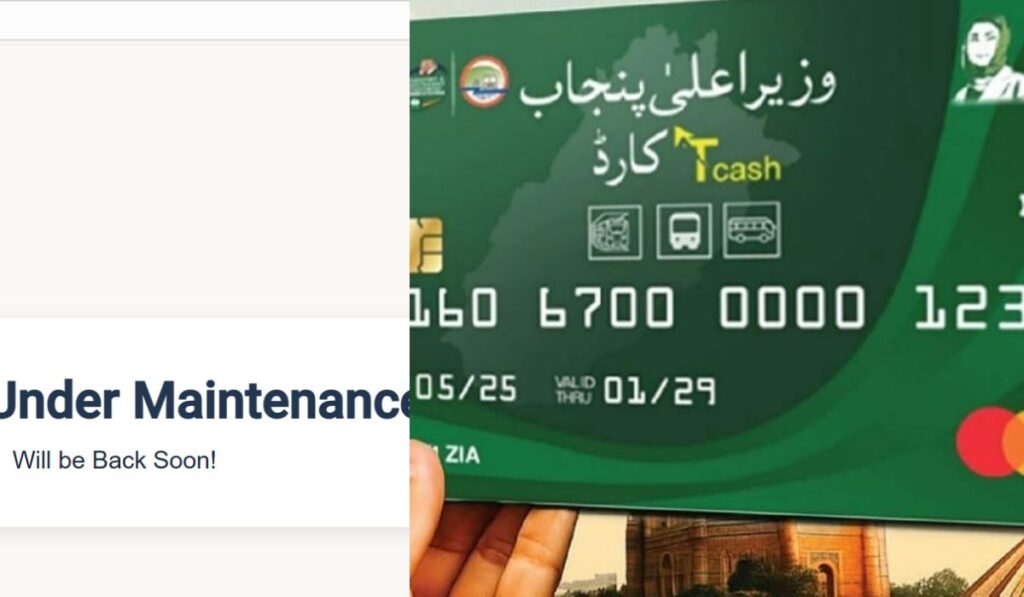
The Punjab government’s digital transport initiative, the T-Cash card system, has come to a standstill after its online registration portal went offline due to technical malfunctions. Citizens across major cities including Lahore, Rawalpindi, and Faisalabad are facing significant hurdles in acquiring, recharging, or verifying their transport cards, which were introduced to replace paper tickets and tokens across the metro bus and Orange Line train networks.
Managed by the Punjab Mass Transit Authority (PMA), the T-Cash card was launched to modernize and streamline public transport through a single digital payment platform. However, the suspension of its online services has halted new registrations and inconvenienced thousands of existing users who now find themselves unable to top up their cards or access basic services.
While authorities have yet to officially disclose the root cause, internal sources cite possible reasons including server overload due to high user traffic, failures in backend integration with NADRA and other databases, insufficient staffing, and delays in administrative policy execution. The digital outage has revealed critical weaknesses in the infrastructure supporting the province’s push toward e-governance.
In response to public pressure, the PMA has set up 11 temporary service counters across Lahore where citizens can obtain T-Cash cards by presenting their national identity cards. A dedicated helpline (1762) has also been launched for customer support and complaint resolution. Officials maintain that the portal will be restored soon, though no timeline has been confirmed.
Commuters have been advised to use the T-Cash mobile applications—“Punjab e-Transport” and “T-Cash”—as an alternative means to check services or recharge. However, several users report that the apps are either partially functional or suffer from similar reliability issues as the website, rendering them ineffective for many.
Long queues, overwhelmed staff, and operational delays have become a daily struggle for many in cities dependent on public transport. Commuters have voiced strong dissatisfaction with the current system, calling on the government to not only restore the portal swiftly but also expand the number of service counters, deploy mobile registration vans, and launch a broad public awareness campaign to clarify the way forward.
This is not the first time Punjab’s digital projects have encountered technical disruptions. Earlier initiatives such as e-stamping and e-Khidmat centers also faced early setbacks before operational improvements were made. The T-Cash system appears to be facing similar teething issues, with its success now hinging on swift resolution and long-term system stability.
Transport and technology experts warn that technical failures in such high-visibility programs risk eroding public trust and dampening enthusiasm for future digital governance efforts. Without immediate and decisive intervention, the T-Cash initiative could turn from a symbol of modern progress into a cautionary tale of poor implementation.
As Punjab attempts to build a seamless, tech-enabled transport infrastructure, the government must demonstrate both responsiveness and resilience. The credibility of the province’s digital ambitions—and the everyday convenience of its millions of commuters—now rests on how quickly and effectively this crisis is resolved.