 BeNewz

Related Articles


— Warn of blow to clean energy drive
Aftab Maken
ISLAMABAD: Pakistan’s energy regulator and the Power Division faced sharp criticism as a broad spectrum of stakeholders accused them of sabotaging the country’s fast-growing solar revolution and pushing the power sector toward a more expensive and unreliable future.
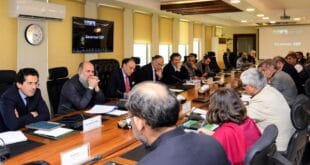
The backlash erupted during a lengthy public hearing on Nepra’s draft Prosumers Regulations 2025, which propose major changes to the existing net-metering regime. While Nepra authored the draft, the Power Division—along with power distribution companies (Discos), including K-Electric—took the lead in defending the proposed overhaul.
Participants from think tanks, political parties, chambers of commerce, the solar industry, industrial groups and consumer bodies warned that the revisions would slow Pakistan’s transition to clean energy, undermine consumer rights and conflict with the country’s commitments under the Paris Agreement and the UN Sustainable Development Goals.
At the heart of the controversy is a proposed shift from net-metering—where exported and imported electricity units are settled one-to-one—to net-billing, under which surplus solar power would be purchased at significantly lower rates. Under the draft rules, existing registered prosumers would have their export units adjusted monthly instead of quarterly, while their other terms would remain intact until their seven-year contracts expire. New prosumers, however, would be offered five-year contracts and paid only Rs11 per unit for exported electricity, a steep cut from the current rate of around Rs 26 per unit.
PPP leader Nadeem Afzal Chan denounced the proposals as an attempt to shield what he called a “corrupt, inefficient, unreliable and unaffordable” power sector. He said rooftop solar had empowered farmers, small traders and craftsmen by reducing dependence on an outage-prone grid with soaring tariffs. Chan announced that his party would challenge the regulations in court and accused utilities of routinely shifting the cost of faulty transformers onto consumers.
Energy think tanks cautioned that discouraging rooftop solar would weaken emissions-reduction efforts, energy security, foreign exchange savings and industrial competitiveness. Some suggested that the government could instead purchase surplus solar electricity to earn carbon credits worth millions of dollars annually.
Several speakers also objected to the conduct of the hearing itself, alleging procedural unfairness. They complained that Nepra did not allow alternative proposals, restricted most speakers to three minutes while granting the Power Division nearly one and a half hours, rejected demands for a live broadcast and ignored calls to hold hearings in provincial capitals. Concerns were also raised that Discos had already stopped accepting new net-metering applications and were overbilling existing prosumers.
Nepra Chairman Waseem Mukhtar and Member (Development) Maqsood Anwar termed such unilateral actions by Discos illegal, pledging reversals and strict accountability. They directed utilities to submit detailed reports on the alleged practices.
Defending the draft rules, Power Division officials argued that the changes were essential to ensure sustainable solar growth and grid stability. They cited rapid rooftop solar expansion—about 7,000MW on-grid and over 13,000MW off-grid—which they said had created technical challenges such as voltage fluctuations, backfeed risks and sharp ramping requirements. Officials claimed that fewer than one percent of electricity consumers—around 0.4 million prosumers—would impose a Rs270 billion burden on 38.5 million non-solar users in 2026 under the current framework, a cost projected to rise to Rs628 billion by 2034, with cumulative losses estimated at Rs4.6 trillion. The proposed rules, they said, would substantially reduce this impact.
Despite official assurances that solar adoption was not being discouraged, many participants remained unconvinced, arguing that the draft regulations favor utilities at the expense of consumers and Pakistan’s clean-energy ambitions. The hearing laid bare deep divisions over the future direction of the country’s power sector as policymakers grapple with balancing renewable growth against fiscal pressures and grid constraints.