 BeNewz

Related Articles


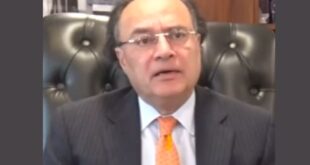
Lawmakers raise alarm over Rs 6bn tariff hikes, poor mobile coverage, telecom merger stagnation, and Pakistan’s falling behind in 5G deployment.

BeNewz Report
Pakistan’s telecom sector is facing mounting criticism from lawmakers who flagged serious concerns over unjustified billing practices, declining service quality, stalled mergers, and the country’s delayed entry into the 5G era. During a Senate Standing Committee meeting on Information Technology and Telecommunications, chaired by Senator Palwasha Khan, parliamentarians warned that regulatory failure and unchecked corporate behavior are costing consumers billions.
The committee referred a high-stakes case of alleged overbilling by Jazz to the Public Accounts Committee (PAC) after audit officials revealed that the company had recovered more than Rs6 billion from consumers by raising tariffs. Despite lacking a full audit report, officials urged PAC to lead the investigation, citing the scale of financial impact and the urgent need for oversight.
PTA Chairman confirmed that nine of Jazz’s nearly 100 packages were recently hiked by 9.4 percent, and around 20 percent of all packages had seen price increases over the past year. Lawmakers pointed out that even selective hikes can generate massive revenue when applied to a subscriber base exceeding 195 million, raising concerns over corporate profiteering under weak regulatory checks.
Beyond billing issues, senators expressed frustration over deteriorating service standards across networks. Senator Nadeem Bhutto noted that travelers on the Karachi–Sukkur Motorway struggle to even access 2G, with frequent call drops highlighting a systemic failure to invest in infrastructure. “The coverage is unacceptable. Operators are collecting profits while neglecting public service obligations,” Bhutto said.
This criticism was echoed by other members who accused telecom companies of prioritizing earnings over user experience, especially in rural and underdeveloped areas where digital access is already limited. The lawmakers stressed that in a digital economy, substandard mobile services translate to broader socio-economic exclusion.
Attention also turned to the long-delayed merger of Ufone and Telenor. Although the Competition Commission of Pakistan (CCP) assured the deal was nearing completion, Senator Kamran Murtaza challenged the credibility of this claim, questioning how a process stuck for 18 months could suddenly wrap up in weeks. CCP officials blamed prior delays on missing documents from PTCL but offered little assurance on how the merger would avoid harming market competition.
If finalized, the merger would reduce the number of major telecom operators to three—prompting fears of monopolistic pricing and reduced consumer choice. Lawmakers demanded transparency and consumer protection in the process, warning that consolidation must not come at the expense of service quality or affordability.
Adding to the sector’s woes is the repeated postponement of Pakistan’s 5G spectrum auction. PTA Chairman confirmed that while the technical groundwork is complete and no legal stay exists on the 2600 MHz band, ongoing court cases are preventing progress. Senator Afnanullah pressed for the Attorney General’s Office to expedite legal resolutions, warning that continued delays threaten to isolate Pakistan from global digital advances.
Despite government promises to hold the 5G auction by December 2025, Pakistan remains behind regional peers such as India and Bangladesh, both of which have already begun rolling out 5G networks. Experts have cautioned that further delay will widen Pakistan’s digital divide and undercut its economic competitiveness.
Throughout the session, senators voiced deep dissatisfaction with the state of telecom regulation. The PTA was criticized for having insufficient consumer protection mechanisms and for taking delayed action on key issues. With no final audit report on the Rs6 billion recovery by Jazz, lawmakers questioned the regulators’ commitment to enforcing transparency.
Closing the meeting, Chairperson Palwasha Khan warned that continued inefficiencies and delays in the telecom sector could erode public trust and hinder Pakistan’s digital transformation. “The public cannot be made to pay the price of inefficiency and delay,” she said, urging both regulators and private operators to put consumers first through improved service delivery, transparent pricing, and accelerated reform.
As pressure mounts on the telecom industry and its overseers, the Senate’s push signals a growing demand for accountability in one of Pakistan’s most crucial economic sectors.
#JazzExposed #JazzPakistan #PTA