 BeNewz

Related Articles



Aftab Maken
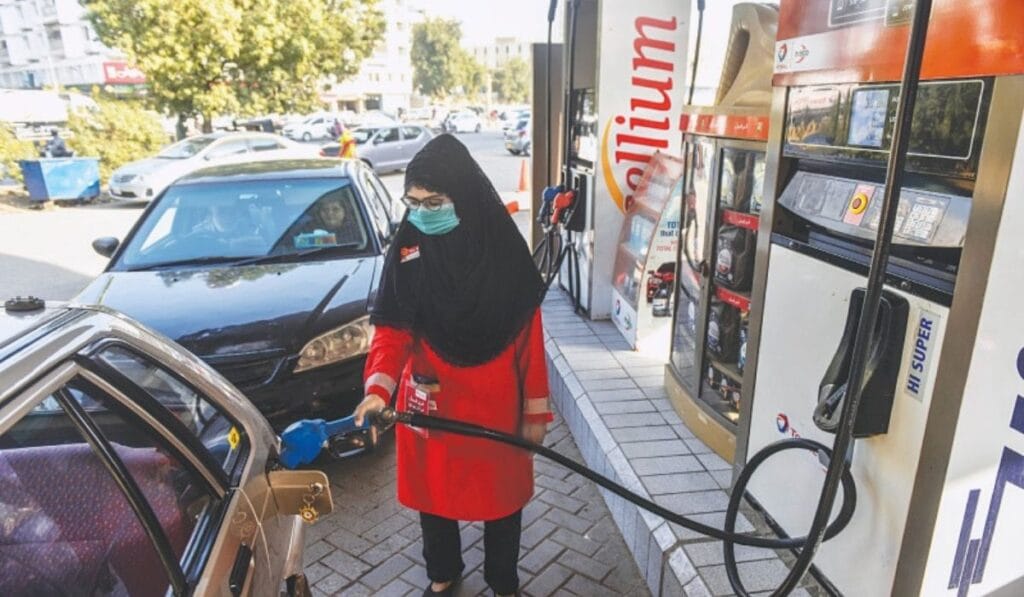
ISLAMABAD: Consumers in Pakistan are bracing for yet another increase in fuel prices starting February 16, 2026, as industry sources and preliminary calculations point to upward adjustments in petroleum product rates. This comes amid ongoing pressures from global oil prices, exchange rate fluctuations, and domestic fiscal considerations.
According to reliable industry projections shared with the media, the ex-depot price of petrol (motor spirit) is expected to increase by Rs 4.39 per litre, pushing it from the current Rs 253.17 to approximately Rs 257.56 per litre. High-speed diesel (HSD), which powers much of the country’s public transport, agriculture, and freight sectors, could see a steeper hike of Rs5.40 per litre, rising from Rs 268.38 to Rs 273.78 per litre.
Other fuels are also projected to become costlier. Kerosene oil, commonly used for cooking and lighting in rural and remote areas, may go up by Rs 4.00 per litre, while light diesel oil (LDO)—utilized in industrial boilers and furnaces—could increase by as much as Rs 6.55 per litre.
These estimates stem from working papers prepared by the Oil and Gas Regulatory Authority (OGRA), which reviews fuel prices fortnightly based on import costs, international benchmarks, and local taxes. The final decision rests with the Ministry of Finance, in consultation with the Prime Minister’s office, and is typically notified shortly before the effective date.
Adding to the context, official data has revealed a historic milestone in petroleum levy collections. For the first time in Pakistan’s history, the government achieved record-high receipts from the petroleum development levy during the first half of the fiscal year (July to December 2025).
Sources indicate collections reached around Rs 822-823 billion in this period, marking a significant jump from previous years. This surge is attributed to higher levy rates applied on fuels, including increases on petrol and diesel, as part of efforts to meet fiscal targets under international agreements and bolster government revenues.
The petroleum levy serves as a key non-tax revenue stream, helping offset budgetary shortfalls without directly relying on broader taxation. Recent adjustments, such as raising the levy on petrol to higher levels and maintaining or tweaking rates on diesel, have contributed to this record performance. Additionally, a separate carbon levy introduced in recent times has begun contributing billions more to the exchequer.
If the proposed increases are implemented, they are likely to exacerbate inflationary pressures across the economy. Fuel costs directly influence transportation fares, logistics expenses, and the prices of essential goods, including food items transported by road. Public transport operators, farmers, and small businesses, already grappling with economic challenges, may face heightened operational costs.
Private motorists and households could also feel the pinch, particularly as petrol remains a primary fuel for personal vehicles. While some earlier fortnights in early 2026 saw minor adjustments or stability in prices, the latest outlook suggests a reversal toward upward movement.
The government has emphasized that such revisions are necessary to align domestic prices with global trends and avoid unsustainable subsidies. However, critics argue that frequent hikes burden the common citizen amid persistent inflation concerns.
The exact figures may see minor changes based on final calculations and policy decisions. OGRA’s recommendations, combined with input from the Finance Ministry, will determine the outcome. Notifications are expected in the coming days, with any changes taking effect from midnight on February 16.