 BeNewz

Related Articles



“Protected” category for electricity consumers is expected to be phased out
Aftab Maken
ISLAMABAD: After taking steps to address the circular debt in the power sector, the federal government is now working on a plan to eliminate the massive circular debt in the gas sector. The aim is to remove this financial burden from the balance sheets of state-owned gas utilities.
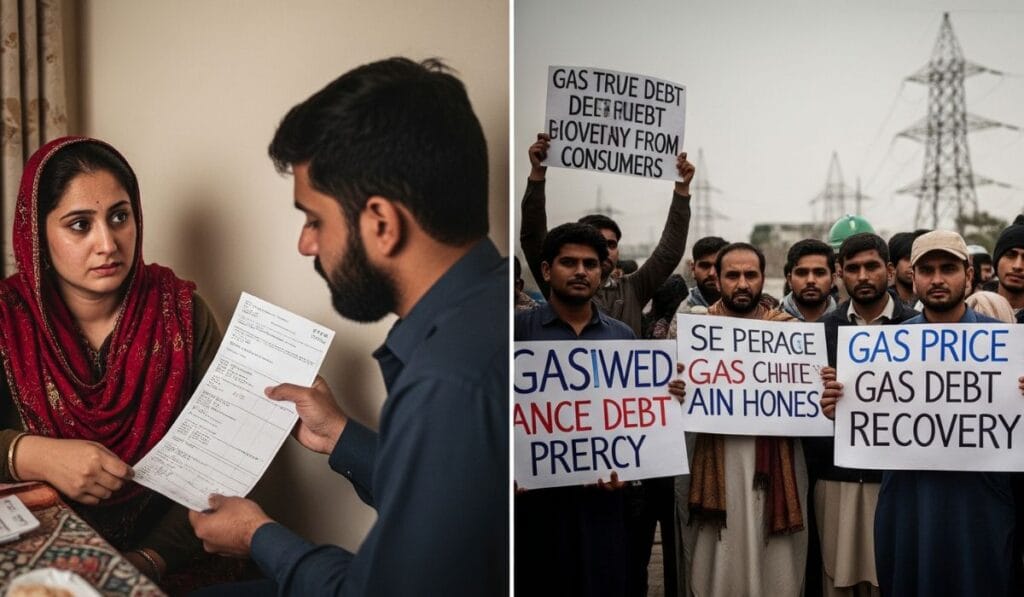
According to official sources, the government is considering several tough measures, including ending gas subsidies for protected consumers, increasing the petroleum levy, and further raising gas prices by eliminating all kinds of subsidies for gas consumers.
The Energy Task Force has finalized a detailed plan to address the circular debt in the gas sector, which has reached an alarming level of Rs 2.8 trillion. Just like in the power sector, the government plans to borrow money from the commercial banks to clear this debt. However, the repayment of these loans will be passed on to gas consumers through higher prices.
To make room for this, the government is preparing to impose an additional petroleum levy ranging from Rs 3 to Rs 10 per liter—on top of the existing levy on fuel products. This would generate an estimated Rs 180 billion annually. Meanwhile, around Rs 250 billion per year will be needed to repay the bank loans.
The government is also exploring the option of soft-term loans from banks to pay off Rs 2 trillion in principal and Rs 814 billion in interest on the gas circular debt. Either the interest amount will be waived, or it will be paid in a lump sum.
The plan includes a seven-year repayment period for the bank loans. In addition, over Rs 150 billion in gas subsidies could be withdrawn, and gas prices may be increased further to support the repayment plan.
Currently, many domestic consumers benefit from cross-subsidies on gas. The government believes that if the actual average cost is recovered from consumers, the circular debt could be eliminated. To protect low-income households, the government plans to provide targeted subsidies through the Benazir Income Support Programme (BISP).
The final decision will be made once the audit of the gas circular debt is complete and accurate figures are available. The Energy Task Force is expected to act based on these final audited numbers.
Protected power category phased out
Meanwhile, Officials from the Ministry of Power informed the Public Accounts Committee (PAC) that the “protected” category for electricity consumers is expected to be phased out within the next two years.
They further explained that discussions are underway between the Ministry and the Benazir Income Support Programme (BISP) to provide electricity subsidies directly through BISP cards to eligible beneficiaries.
During the committee meeting, chaired by PTI MNA Junaid Akbar, members raised concerns about the current policy that shifts consumers into the “non-protected” category for six months if their monthly usage exceeds 200 electricity units.
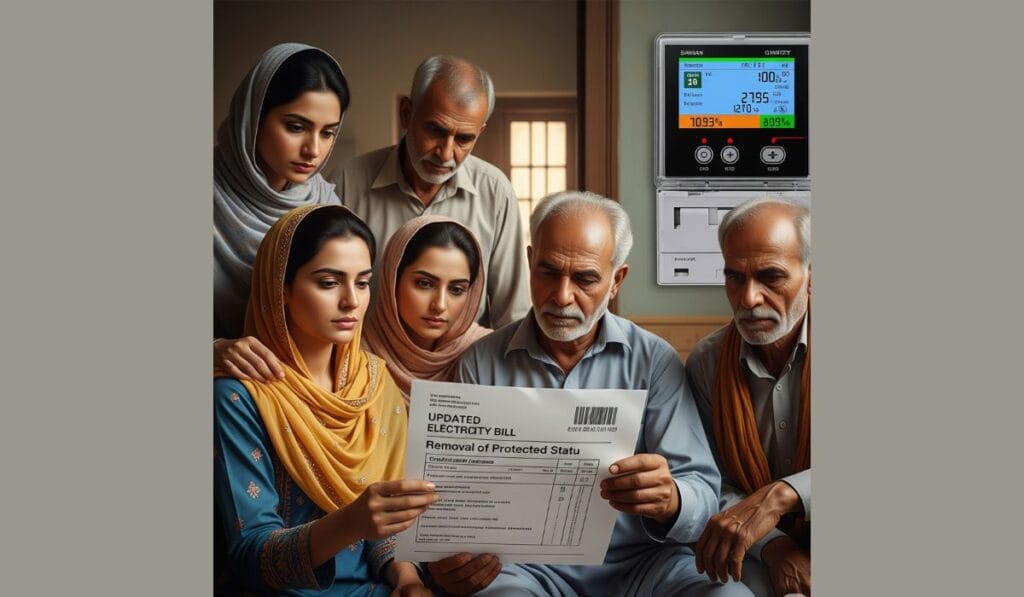
PAC Chairman questioned the rationale behind this six-month penalty. “Even if a consumer exceeds 200 units just once, they are pushed into a higher billing category for six months. What’s the justification? And why does this six-month slab policy even exist?” he asked ministry officials.
The Power Secretary replied that over the past three to four years, the number of consumers using up to 200 units of electricity has increased from 11 million to 18 million. He noted that currently, 58% of total electricity users fall within this usage range. Increasing the threshold beyond 200 units would require additional subsidy allocations, he added.
The Secretary further explained that electricity uses up to 200 units is currently subsidized, benefiting around 18 million consumers. Even if the usage slightly exceeds 200 units—say, to 201 units—some subsidy still applies. However, he agreed to reconsider the six-month policy duration.
He also stated that the government aims to phase out this protected category by 2027, moving toward a targeted subsidy system based on BISP’s beneficiary database.
In a key decision, the PAC Chairman directed the Ministry of Power to present a detailed briefing in the next meeting on the rationale and impact of shifting consumers into higher slabs after exceeding the 200-unit limit.