 BeNewz

Related Articles


BeNewz Report
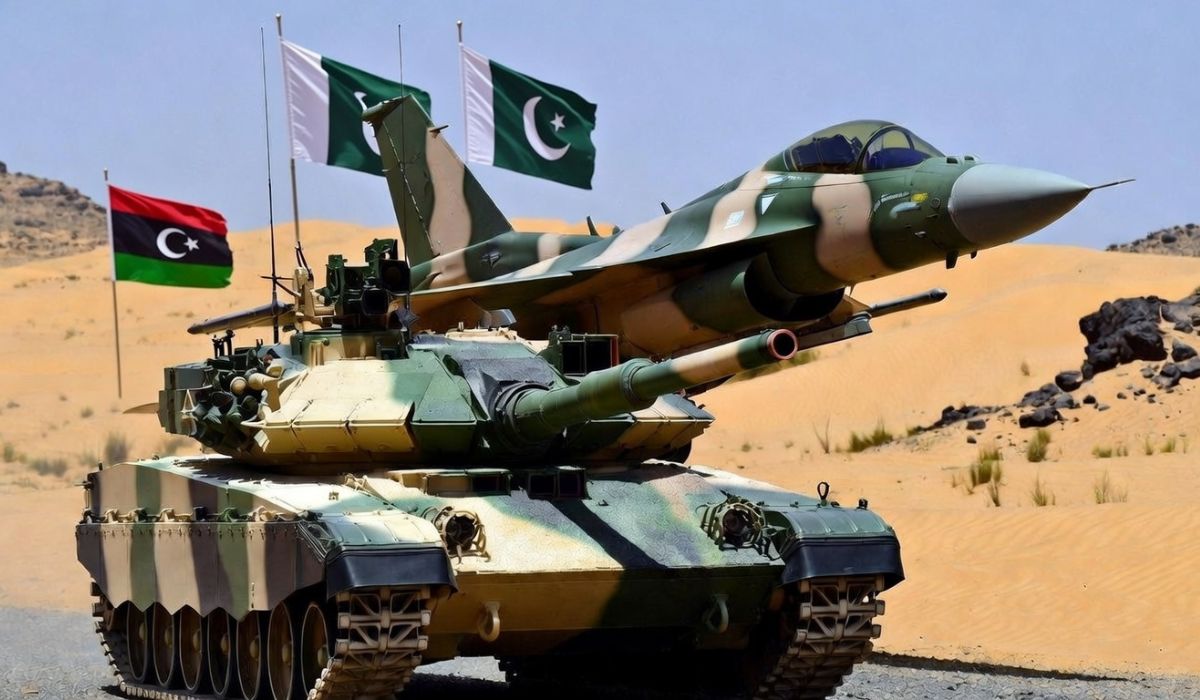
ISLAMABAD: Pakistan and Libya reportedly inked a US$4.6 billion (approximately RM21.62 billion) defence deal, underscoring a shift toward affordable and flexible military partnerships outside traditional Western or Russian spheres, according to Defense Security Asia.
The deal reportedly focuses on rebuilding Libya’s armed forces amid ongoing fragmentation, while boosting Pakistan’s profile as a competitive defence exporter.
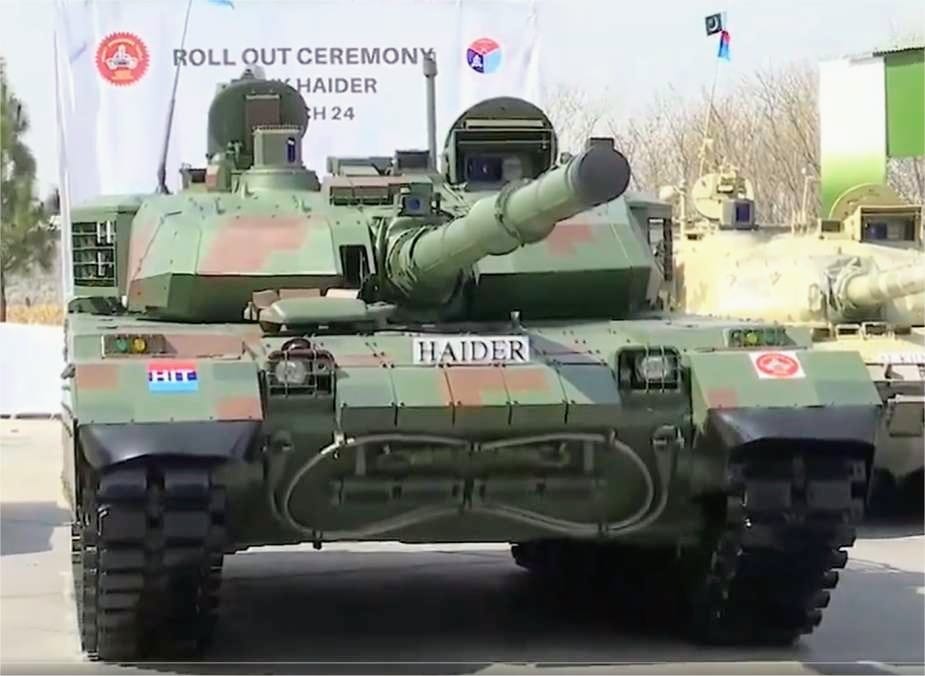
Central to the package is the Haider main battle tank, Pakistan’s modern MBT co-produced with China and based on the VT-4 design. The platform offers advanced armour, modern fire-control systems, and mobility suited to desert operations.
The agreement is said to have progressed during Field Marshal Syed Asim Munir’s historic visit to Benghazi in mid-December 2025, the first by a Pakistani army chief to Libya. During the visit, he met Field Marshal Khalifa Haftar, commander of the Libyan National Army, and signed a military cooperation framework.
Official statements confirmed discussions on training, capacity building, and counterterrorism cooperation, with both sides pledging to deepen bilateral military ties.
For Pakistan, the reported pact rivals its landmark JF-17 Thunder export successes, particularly the $4.6 billion deal with Azerbaijan for 40 advanced Block III fighters, expanded from an initial $1.6 billion contract signed in 2024. The JF-17, a cost-effective 4.5-generation multirole fighter co-developed with China, has gained attention for its AESA radar, long-range missile capability, and lower lifecycle costs compared with Western alternatives.
Other JF-17 customers include Myanmar, an early adopter that inducted around 16 aircraft for counter-insurgency roles, Nigeria, which deployed initial batches against terrorism with further options exercised, and Iraq, which has recently acquired Block III variants as part of its air force modernization programme.
These sales highlight the JF-17’s appeal to countries prioritizing rapid delivery, operational independence, and reduced political conditionalities.
Pakistan is increasingly solidifying its position as a competitive defence exporter by offering affordable, modern platforms that appeal to nations seeking alternatives to traditional Western or Russian suppliers. This trend reflects Islamabad’s emphasis on cost-effective solutions with fewer political restrictions and faster delivery timelines.
A key example remains the JF-17 Thunder multirole fighter jet, which has gained traction globally. Azerbaijan’s 2025 agreement represents Pakistan’s largest defence export deal to date and includes training, logistics support, and a broader investment package, building on the earlier 2024 contract.
Myanmar, Nigeria, and Iraq further demonstrate the aircraft’s versatility and export success, reinforcing its reputation as a capable 4.5-generation fighter equipped with advanced avionics, precision-guided munitions, and modern sensors at a fraction of the cost of Western equivalents.
For Pakistan, these exports mark significant milestones. The Azerbaijan deal alone matches previous highs in value and underscores Pakistan’s ability to deliver comprehensive defence packages, including sustainment and training. The success strengthens Pakistan’s defence industry through revenue generation, operational feedback, and expanded geopolitical influence across Africa, the Middle East, and the Caucasus.
Broader trends indicate that emerging and developing nations are prioritizing practical and sovereign military capabilities over high-end platforms constrained by sanctions or political conditions. Pakistan’s offerings, including the JF-17, Al-Khalid tanks, and other defence systems, position the country as a reliable partner in South-South cooperation through technology transfer and joint maintenance arrangements.
As global security dynamics evolve toward greater multipolarity, Pakistan’s defence exports are increasingly viewed as instruments of diplomacy and strategic alignment, enabling partner nations to pursue military modernization without excessive reliance on dominant global suppliers.