 BeNewz

Related Articles



Aftab Maken
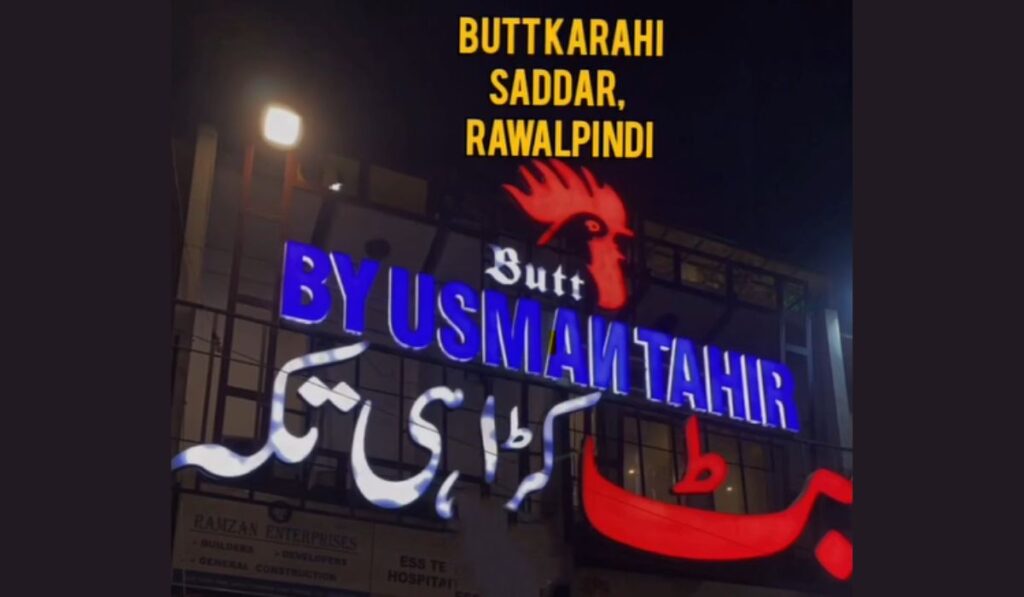
RAWALPINDI: A recent shocking video depicting rats freely scurrying around the outdoor dining area of a prominent Butt Karahi branch in Rawalpindi’s Saddar area has ignited a firestorm of criticism across social media, once again casting a harsh spotlight on the Punjab Food Authority’s (PFA) apparent failure to enforce basic hygiene standards, particularly among well-established and popular eateries.
The viral footage, widely circulated on various platforms, shows a disturbing scene where rodents navigate effortlessly between tables and dishes meant for customers. In one particularly egregious moment captured on video, a rat is seen entering and exiting a tissue box before brazenly climbing onto clean plates, ready for serving. The discomfort and disgust of customers are palpable in the video, with their voices audible in the background, discussing the alarming level of contamination.
Butt Karahi, a name synonymous with delicious traditional Pakistani cuisine and boasting branches in several cities across the country, has long enjoyed a reputation for its flavorful dishes. However, this latest incident at its Rawalpindi Saddar outlet threatens to severely tarnish its image and erode public trust.
Social media users have wasted no time in expressing their outrage, with comments ranging from critical to darkly sarcastic. “Now people will be cleaning their mouths with that same tissue paper!” one user lamented, highlighting the direct implications of such unsanitary conditions. Another commented with biting wit, “This must be the real secret behind the taste of this desi restaurant!” These reactions underscore a deep-seated public concern over food safety and hygiene in a country where dining out is a popular pastime.
The incident raises critical questions about the effectiveness of the Punjab Food Authority. The PFA was established with the explicit mandate to ensure food safety, hygiene, and quality across the province. Its responsibilities include regular inspections, enforcement of regulations, and taking action against non-compliant businesses. Given the widespread popularity and significant foot traffic at restaurants like Butt Karahi, it is baffling to the public why such a blatant disregard for hygiene could persist, seemingly unchecked.
Critics are pointing to a perceived leniency towards high-profile establishments. While the PFA has occasionally announced crackdowns and sealed various food points for violations, the consistency and impact of these actions, particularly on well-connected or popular businesses, remain a point of contention. The public perception is that smaller, less influential vendors might face stricter penalties, while larger players often escape with warnings or minimal repercussions, allowing a culture of impunity to flourish.
The presence of rodents in a dining area is not merely an aesthetic issue; it poses serious public health risks. Rats are known carriers of numerous diseases, including salmonellosis, leptospirosis, and hantavirus, which can be transmitted through their urine, droppings, or direct contact with food and surfaces. This incident at Butt Karahi’s Rawalpindi branch is a stark reminder that inadequate pest control and poor sanitation practices can directly endanger the health of consumers.
The viral video serves as a wake-up call for the Punjab Food Authority. It is imperative that the PFA moves beyond reactive measures and implements a more robust and transparent system of regular, unannounced inspections for all food establishments, regardless of their popularity or influence. Furthermore, stringent penalties must be uniformly applied to deter such negligent practices. Public health should always take precedence over commercial interests, and the PFA must demonstrate its commitment to this principle through decisive and consistent action. The trust of consumers hinges on the authority’s ability to ensure that every meal served in Punjab is safe and hygienic.