 BeNewz

Related Articles



Consumers may see Rs23bn relief in September bills under July’s fuel cost adjustment
BeNewz Report
Electricity consumers across Pakistan are poised to receive relief of Rs1.69 per unit in their September bills through the July monthly fuel charges adjustment (FCA). If approved by the National Electric Power Regulatory Authority (NEPRA), the reduction would extend to distribution company (Disco) customers as well as K-Electric (KE) users, amounting to an estimated Rs23 billion in relief.
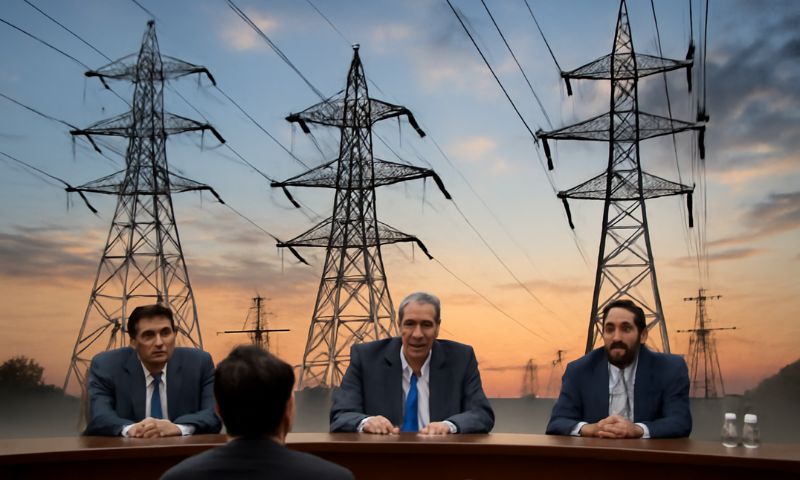
The proposal was examined during a public hearing at NEPRA headquarters on Thursday, chaired by Member Sindh Rafiq Shaikh. The Central Power Purchasing Agency (CPPA) presented data showing that fuel costs in July were lower than projections, enabling the downward revision. Officials clarified that the relief would apply for one month only, reflecting recent declines in global fuel prices.
NEPRA confirmed that the Rs1.69 per unit reduction would extend to all consumer categories, except lifeline, protected, prepaid users, and electric vehicle charging stations. The Ministry of Energy, following guidance from the Economic Coordination Committee (ECC), directed NEPRA to ensure uniform application of the FCA, meaning KE customers would be charged at the same rate as state-run Disco consumers.
The hearing was overshadowed by NEPRA’s criticism of safety failures during the monsoon. Member Rafiq Shaikh noted that 11 people had died from electrocution in July’s heavy rains, including six fatalities in areas under the Islamabad Electric Supply Company (IESCO). Questioning the absence of preventive measures, he demanded accountability from distribution company executives. He warned that while NEPRA has the authority to impose fines, many firms dilute regulatory action by obtaining court injunctions.
Analysts argue that while the one-off reduction will provide immediate financial relief, it does not resolve Pakistan’s deep-rooted energy sector problems. Previous adjustments have delivered temporary reductions, only for tariffs to rise again when international fuel costs rebound.
Fuel charges adjustments are directly tied to the cost of generating power from imported oil, coal, and liquefied natural gas (LNG). Any increase in global energy prices is passed on to consumers through their monthly bills, while declines—such as those in July—create space for downward revisions. Experts stress that Pakistan’s dependence on imported fuels leaves the power sector vulnerable to fluctuations in global energy prices.
To mitigate disparities, the government has pursued a uniform tariff policy across all Discos and KE, aiming for consistent pricing nationwide. Yet observers note that without deeper reforms in power generation, transmission, and distribution, such measures only provide short-term relief. Persistent inefficiencies, circular debt, and high capacity payments to idle plants continue to burden the sector and inflate consumer costs.
The FCA-based cut comes at a politically sensitive moment as the government faces mounting public frustration over rising inflation and high electricity bills. Power costs have been a key driver of household financial strain, with protests erupting in several cities over surging bills in recent months. The temporary Rs1.69 per unit reduction is expected to ease some consumer pressure in September, but broader challenges remain unresolved.
At the end of the session, NEPRA stated it had heard all stakeholders and would issue a detailed ruling after verifying the CPPA’s data. If confirmed, the cut will appear in September electricity bills but will only cover that month.
The proposed Rs23 billion relief underscores the short-term opportunities provided by easing fuel prices but also highlights the fragility of Pakistan’s power system. Experts warn that unless grid upgrades, efficiency improvements, and diversification of the fuel mix are prioritized, consumers will remain exposed to recurring price fluctuations.
While households and businesses may welcome the reduction next month, policymakers continue to grapple with balancing consumer relief against fiscal pressures. For now, the Rs1.69 per unit cut offers a brief reprieve in a power sector still in urgent need of sustained reform.