 BeNewz

Related Articles



Aftab Maken
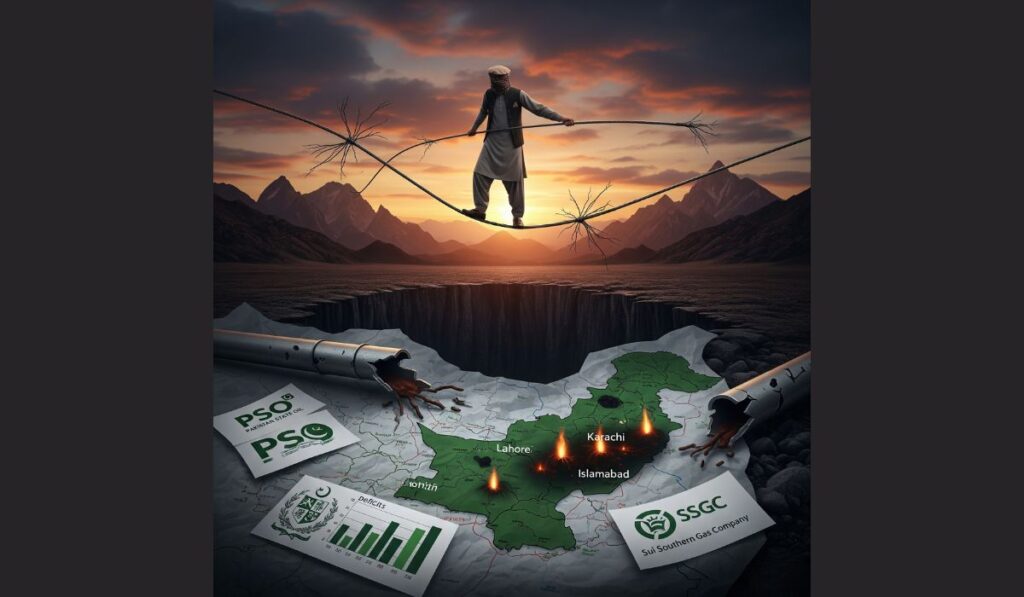
ISLAMABAD: Pakistan’s energy sector is teetering on the brink of collapse, facing a severe financial crisis that could trigger a significant increase in gas prices for consumers starting January 1, 2026. A deepening circular debt, blamed on systemic mismanagement and a lack of a cohesive national energy policy, is threatening to push key state-owned enterprises into insolvency.
The core of the issue stems from a major disconnect between the Petroleum and Power Divisions. A staggering $1 billion worth of regasified liquefied Natural Gas (RLNG), originally contracted for power plants, has been diverted to other sectors. This has created a massive financial hole, pushing Pakistan State Oil (PSO) to the brink of insolvency and leaving both Sui gas companies (Sui Northern and Sui Southern) facing potential defaults. Officials within the Petroleum Division have openly accused the Power Division of making a “mockery of the system” by celebrating good performance while flagrantly violating RLNG contracts.
The mismanagement has worsened the gas sector’s circular debt, which has now ballooned to an alarming Rs 2.6 trillion. This financial crisis is compounded by other developments:
- Financial Misappropriation: Northern Power Generation Company (Genco-III) allegedly misused a Rs 150 billion payment meant to clear its dues with PSO, instead spending the money on salaries and other expenses.
- Government Defaults: The Federal Board of Revenue (FBR) has defaulted on Rs 70 billion in refunds to PSO, exacerbating the oil supplier’s financial woes.
- Stalled Local Production: The surplus RLNG in the system, a result of the diversion, has led to the suspension of production from local gas wells, further hurting the domestic energy supply chain.
- Refinery Upgrade Delays: A proposed $5 billion refinery upgrade project is now in jeopardy after the IMF raised concerns about the funding mechanism, which was set to pass costs onto consumers. This could stall crucial investment and keep the nation reliant on outdated, polluting refineries.
Industry stakeholders are unanimous in their criticism, pointing to the absence of a comprehensive national energy policy as the root cause. They argue that the petroleum sector is being forced to bear the financial burden of the power sector’s operational failures. While a high-level committee is reportedly working on a solution, insiders are skeptical, with some claiming that previous decisions by the Energy Sector Task Force have only worsened the situation.
Unless urgent policy decisions are made to stop the financial hemorrhaging, the looming gas price hike will be an inevitable consequence, placing further strain on an already fragile economy and the public.