 BeNewz

Related Articles



Abdullah Zahid
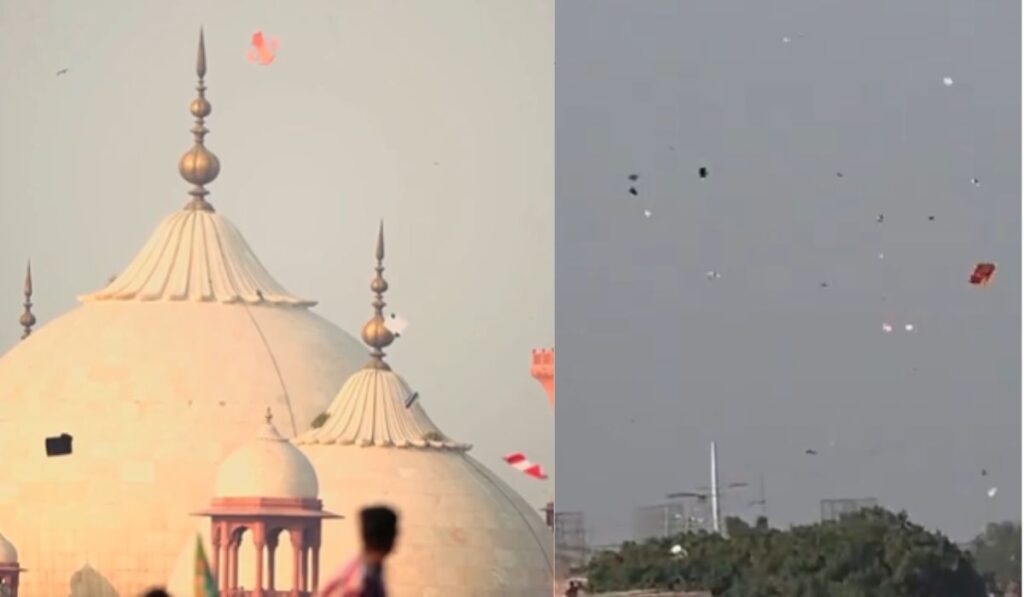
LAHORE: The sky over Lahore once again filled with color as the city marked the final day of Basant, reviving a tradition that had long survived only in memory. After years of restrictions and debate, the return of the kite-flying festival transformed rooftops, streets and neighborhoods into a shared celebration, blending joy, nostalgia and an unusual sense of restraint.
From early morning, areas across the city — from the Walled City and Mochi Gate to Gulberg, Model Town and beyond — came alive. Rooftops filled with families dressed in shades of yellow, children ran with spools of string, and the familiar cries of “bo-kata” echoed through narrow lanes. For many Lahoris, the last day of Basant felt less like a festival and more like the reclaiming of a cultural identity that had been missing for nearly two decades.
Yet this revival unfolded under a very different atmosphere from the past. Unlike earlier years marked by unchecked enthusiasm, this Basant was closely regulated. The Punjab government enforced strict safety measures, including a ban on chemical and metallic kite strings, heightened police presence, and continuous monitoring by district administrations. Rescue services remained on alert, while public announcements repeatedly urged citizens to celebrate responsibly.
These precautions shaped the tone of the final day. While the excitement was unmistakable, there was also visible caution. Many families chose to limit kite flying to daylight hours and avoided overcrowded rooftops. Motorcyclists were seen wearing protective gear in sensitive areas, and residents remained alert to overhead power lines — reminders of the tragic accidents that had once led to the festival’s ban.
Basant’s return also brought a noticeable boost to local economic activity. Kite makers, string vendors, and small traders reported brisk business in the days leading up to the festival. Traditional food stalls selling yellow rice, sweets and seasonal snacks drew crowds, while rooftop cafés and restaurants hosted small gatherings, capitalizing on the festive mood. For many small vendors, the last day of Basant offered a rare opportunity to earn after years of economic uncertainty.
At the same time, the festival revealed a shift in public attitude. A significant number of residents opted for quieter celebrations, flying kites within their homes or observing the festivities from balconies rather than rooftops. Parents were seen closely supervising children, reflecting a growing awareness that preserving tradition requires balancing joy with responsibility.
As evening approached, the number of kites in the sky gradually thinned. The sounds of celebration softened, replaced by conversations and reflections on what the day had meant. For older residents, Basant evoked memories of a carefree Lahore of the past. For younger generations, it was a first experience of a festival they had only heard about in stories.
The last day of Basant ended without major incidents, offering cautious optimism about the festival’s future. While challenges remain, the event suggested that Lahore may be learning how to reclaim its cultural heritage without repeating past mistakes.
More than just the close of a festival, Basant’s final day symbolized a test for the city: whether tradition can coexist with safety and regulation. This year, at least, Lahore showed that its skies can be colorful again — not recklessly, but with care, reflection and hope for continuity.