 BeNewz

Related Articles



BeNewz Report
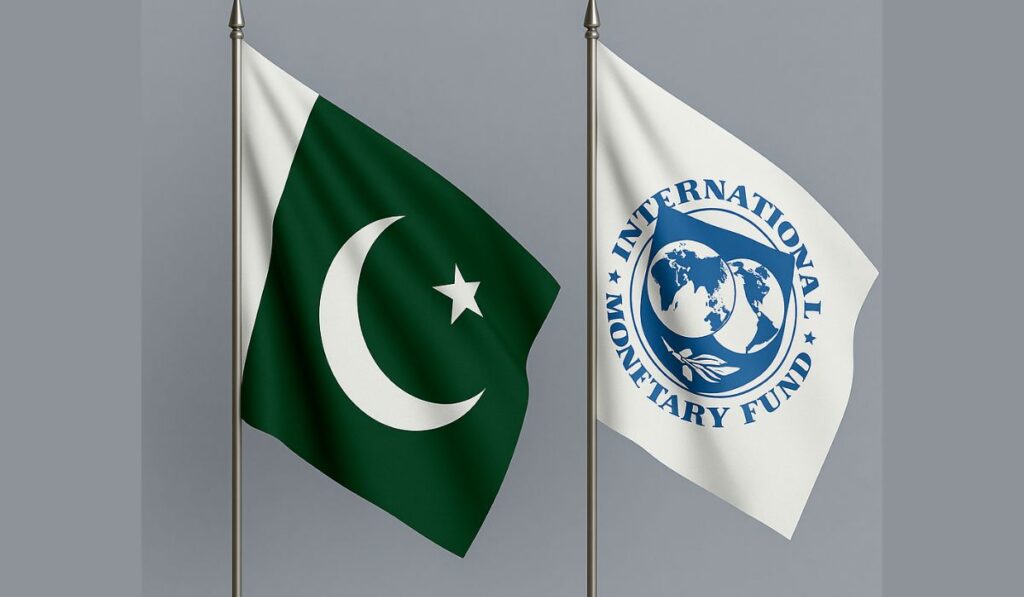
ISLAMABAD: The International Monetary Fund (IMF) has scheduled its Executive Board session on December 8 to approve a US$1.2 billion disbursement to Pakistan under two concurrent programmes.
Islamabad and the IMF reached a staff-level agreement on October 14 covering the second review of Pakistan’s US$7 billion Extended Fund Facility (EFF) and the first review of its US$1.4 billion Resilience and Sustainability Facility (RSF).
Under the deal, Pakistan stands to receive US$1 billion from the EFF and US$200 million via the RSF — totaling US$1.2 billion — once the Executive Board gives its approval.
The IMF’s calendar confirms that Pakistan’s case is listed for December 8. Once approved and transferred — expected December 9 — the cumulative disbursements under both arrangements will rise to approximately US$3.3 billion.
A key condition ahead of board approval is the publication by Pakistan of the delayed Governance & Corruption Diagnostic (GCD) assessment report — a structural benchmark under the EFF.
The IMF noted in its mission statement that Pakistan’s recovery is “on track”: the current account posted a surplus for the first time in 14 years, fiscal primary balance exceeded programme targets, inflation remains contained, external buffers strengthened and sovereign spreads narrowed significantly.
However, the IMF also warned that recent floods affecting nearly 7 million people and causing over 1,000 deaths had weighed on the outlook, particularly for agriculture. It downgraded Pakistan’s GDP growth projection for FY26 to about 3¼ %–3½ %.
The context is that Pakistan is under a 37-month EFF arrangement approved in September 2024 and a 28-month RSF arrangement, both aimed at macro-stabilisation and structural reform including stronger governance, transparency, energy-sector viability and climate resilience.
The board meeting and subsequent disbursement thus represent a major staging point for Pakistan’s reform drive and its external financing trajectory. The timely publication of the GCD report and the rollout of a governance action plan will be watched closely by markets and international partners.
Looking ahead, Pakistan’s ability to sustain reform momentum, deepen structural changes and manage climate and disaster risks will determine whether the IMF-supported programme restores durable confidence in the economy.