 BeNewz

Related Articles



Aftab Maken
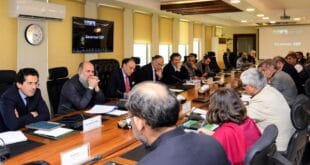
ISLAMABAD: The National Assembly’s Standing Committee on Finance convened today, reiterating its firm stance against government intervention in the sugar trade and urging a hands-off approach to pricing and imports. The committee meeting also highlighted ongoing discussions with the International Monetary Fund (IMF) regarding controversial tax exemptions on sugar imports, and saw strong opposition to the proposed Corporate Social Responsibility (CSR) Bill.
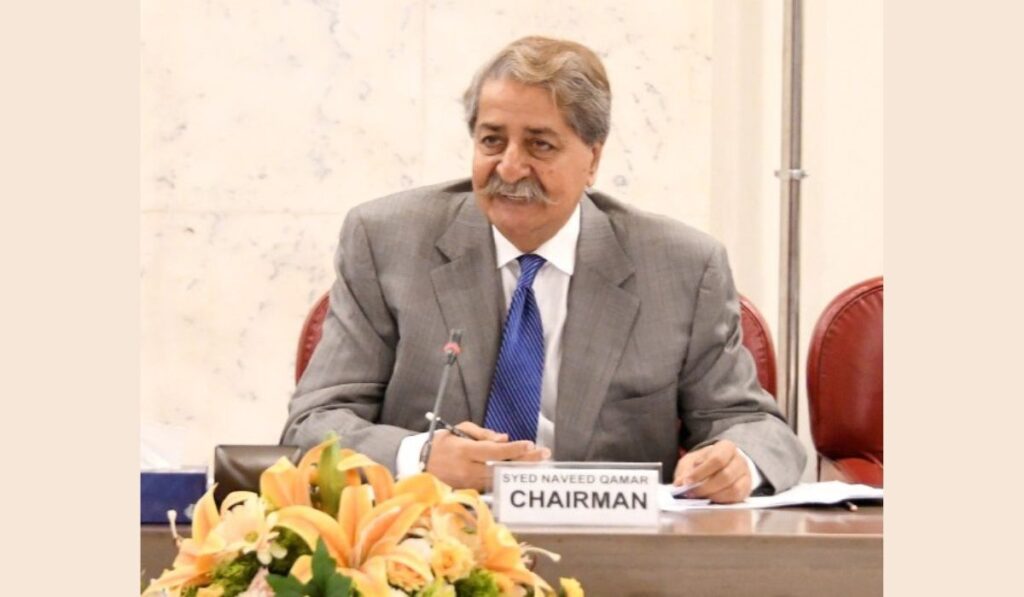
Chairman Syed Naveed Qamar led the committee’s discussion on sugar, unequivocally stating that the government should not be involved in the import and export business of sugar. He emphasized that the country possesses ample sugar reserves, questioning the government’s singular focus on sugar prices. “Why is the government only concerned about the price of sugar?” he pressed. This sentiment aligns with reports from the Pakistan Sugar Mills Association (PSMA), which has asserted that local mills hold sufficient stock to meet national demand until at least November, and can supply 530,000 tons monthly.
The FBR Chairman informed the committee that the federal cabinet had indeed decided to allow sugar imports and subsequently issued a notification removing taxes on these imports. However, this decision has drawn scrutiny from various quarters, including the IMF. Committee member Javed Hanif raised concerns about the IMF’s position, noting that previous budgetary discussions indicated the IMF’s general opposition to tax exemptions.
In response, the Finance Secretary confirmed that discussions with the IMF regarding the tax exemption for sugar imports are still ongoing. Recent reports indicate that the IMF has expressed strong objections to Pakistan’s decision to import 500,000 metric tons of sugar tax-free, terming it a violation of the conditions of the $7 billion loan program. The IMF’s concern is reportedly amplified by the fact that a significant portion of the imported sugar might be consumed by industrial users rather than directly benefiting households, which the IMF views as inconsistent with public interest and a breach of fiscal discipline. Despite the government’s attempts to justify the move as a “food emergency” response, the IMF has reportedly dismissed this argument.
Adding to the complexity, the government and the Pakistan Sugar Mills Association (PSMA) recently reached an agreement to reduce sugar prices, setting a new ex-mill rate of Rs 165 per kilogram. This move aims to provide relief to the public, with provincial governments now tasked with ensuring sugar availability at this reduced price. This development comes after earlier government efforts failed to control market prices, which had climbed as high as Rs 200 per kilogram.
In a separate but equally significant discussion during the meeting, the Securities and Exchange Commission of Pakistan (SECP) voiced strong opposition to the proposed Corporate Social Responsibility (CSR) Bill. The SECP Chairman argued that making CSR mandatory would significantly increase the financial burden on companies. He highlighted that globally, CSR laws are largely voluntary, with India being a notable exception where such laws are compulsory. Enforcing similar legislation in Pakistan, he warned, would place undue pressure on businesses.
However, Syed Naveed Qamar countered, asserting the need for a legal framework to ensure companies contribute to social welfare. Dr. Nafisa Shah echoed this, questioning the SECP’s apprehension about increased costs for companies, pointing out that many already allocate up to 1.5% of their profits to social welfare initiatives.
Following this debate, the committee recommended that the SECP consult all relevant stakeholders regarding the CSR Bill within one month. The committee also moved forward by forming a subcommittee to review the Parliamentary Budget Office Bill 2025, with Dr. Nafisa Shah appointed as its convener, and Arshad Vohra, Ali Zahid, and Mubeen Arif as members. This indicates a broader legislative push towards greater transparency and oversight in financial matters.
The Committee expressed serious concern over the absence of the Secretary, Industries and Production, and deferred the agenda item relating to the new Electric Vehicle Policy.