 BeNewz

Related Articles



Aftab Maken
ISLAMABAD: The government has said petroleum stocks remain at comfortable levels after a high-level review meeting chaired by Finance Minister Muhammad Aurangzeb, as authorities monitored global oil market volatility and regional geopolitical tensions.
The government said on Saturday that Pakistan’s fuel supply position remains stable after a high-level committee reviewed petroleum stocks, import plans and refinery operations amid rising volatility in global energy markets and continued regional tensions.
The meeting of the Committee to Monitor Petrol Prices was held virtually under the chairmanship of Finance Minister Senator Muhammad Aurangzeb, who directed officials to maintain uninterrupted availability of petroleum products while closely tracking international oil price movements. Officials briefed the committee on current inventories of crude oil and refined products, cargoes in transit and additional shipments being arranged to maintain adequate reserves.
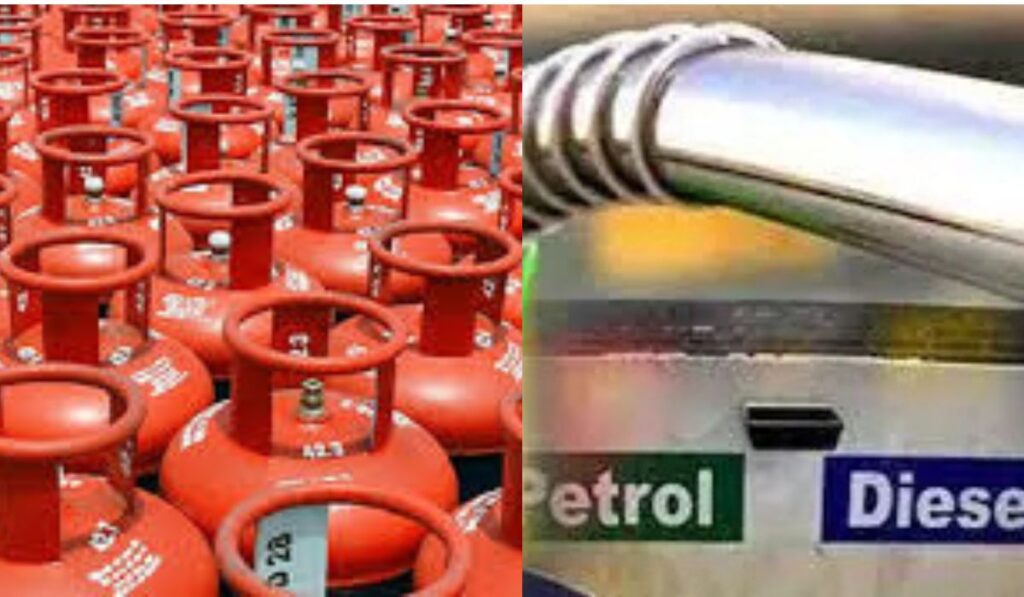
According to the briefing, national stocks of petrol, diesel, aviation fuel and LPG are at comfortable levels and supply chains are operating normally, with import schedules in place to meet domestic demand in the coming weeks. Authorities said coordination between refineries, oil marketing companies and government institutions has been strengthened to ensure smooth nationwide distribution.
The review comes at a time when global crude markets have shown increased volatility due to geopolitical developments, raising concerns for oil-import-dependent economies such as Pakistan. The committee examined recent trends in benchmark crude prices and refined product markets, and discussed possible external scenarios that could affect the country’s energy costs and inflation outlook. Pakistan imports a large share of its petroleum requirements, making domestic fuel prices sensitive to international market fluctuations and exchange-rate movements.
Officials also reviewed operational arrangements related to crude imports, refinery throughput and maritime logistics, and were informed about steps being taken to facilitate cargo handling and maintain optimal refinery output. The committee stressed the need for close monitoring of shipment schedules and depot stocks to avoid supply disruptions, particularly during periods of global uncertainty.
In addition to supply management, the meeting discussed fuel conservation and demand-management options aimed at reducing pressure on imports if international prices rise sharply. Possible measures included improved fuel efficiency in the public sector and responsible consumption to support economic stability. Such steps have been considered in previous periods of high oil prices, as Pakistan’s import bill tends to rise significantly when global crude exceeds normal levels.
The committee also reviewed progress on a digital monitoring dashboard being developed to track stock levels, storage depots and retail supply conditions in real time. Officials said the system would improve oversight of the petroleum supply chain and help authorities make timely policy decisions during market disruptions.
Finance Minister Aurangzeb said the government’s top priority is to ensure uninterrupted availability of petroleum products while minimizing the burden on consumers. He said proactive planning and coordination among stakeholders had helped keep supplies stable despite uncertainty in global energy markets.
The finance minister added that the committee will continue daily monitoring of international oil prices, domestic stock positions and supply chain conditions, and will take coordinated policy action if required to safeguard Pakistan’s energy security and maintain market stability as global energy risks persist.