 BeNewz

Related Articles



Aftab Maken
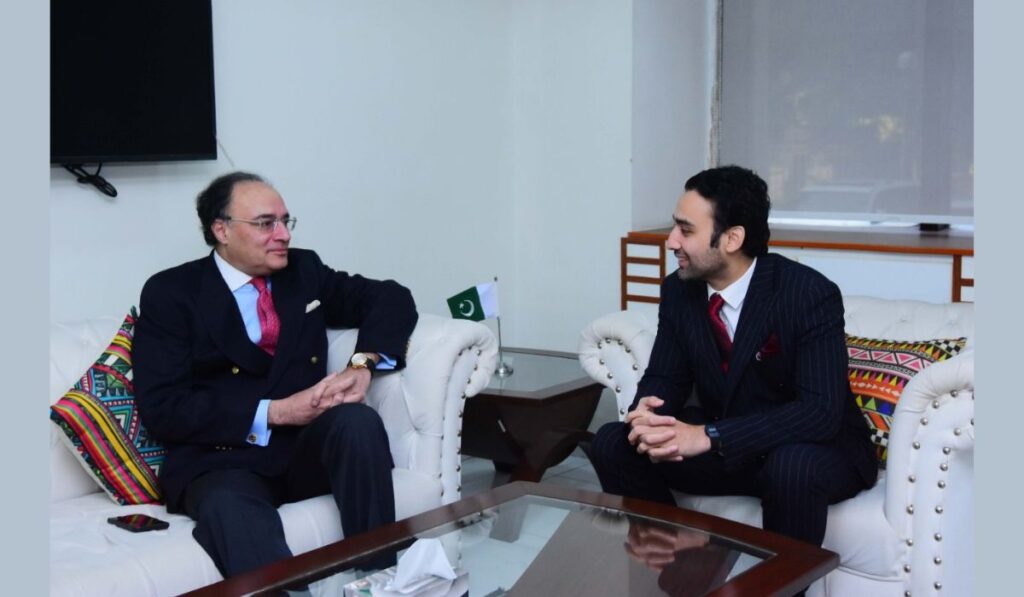
ISLAMABAD: Finance Minister, Senator Aurangzeb Khan on Thursday made his first official visit to the Pakistan Virtual Asset Regulatory Authority (PVARA), underlining the government’s commitment to regulating the rapidly growing digital assets sector. He was briefed on PVARA’s roadmap to implementing a comprehensive regulatory framework for virtual assets.
PVARA leadership presented an overview of its mandate, policy direction, and progress in building a robust governance structure. The authority is working in phases to ensure regulations align with national priorities, protect consumers, and bolster financial stability.
The minister was informed about PVARA’s active consultations with both domestic and international stakeholders, and the drafting of licensing guidelines for Virtual Asset Service Providers (VASPs). He praised the team for its progress and reminded them to stick to timelines.
He also directed his office to swiftly resolve any administrative or procedural issues that might be slowing the regulatory body down, emphasizing that the government fully backs PVARA’s mission. He noted that clear rules are essential to attract investment, build trust, and integrate Pakistan into the global digital economy.
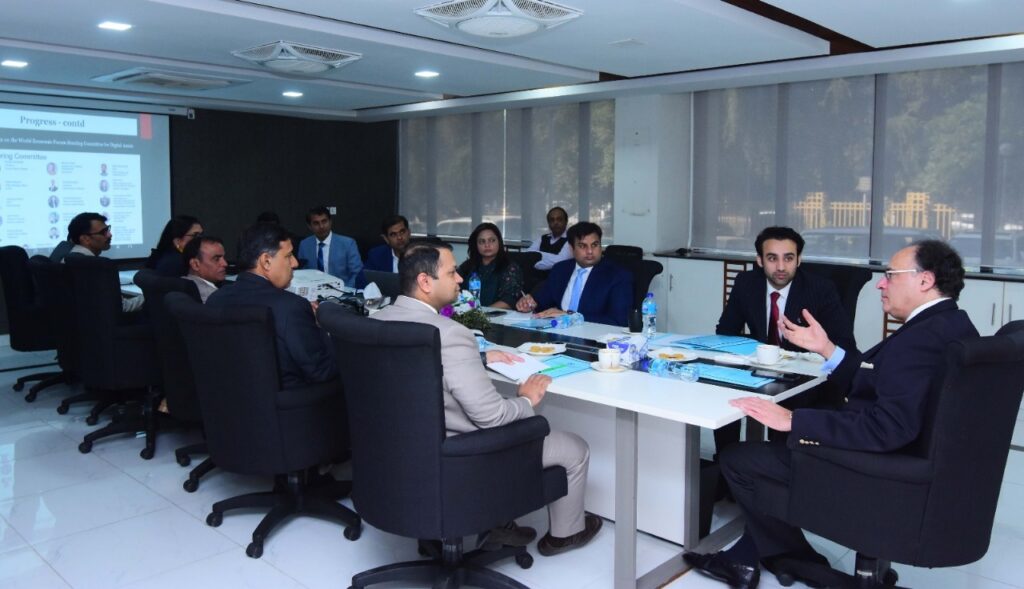
Chairman Bilal Bin Saqib reaffirmed PVARA’s commitment to “responsible innovation, strong safeguards, and regulatory clarity.” He said the minister’s support would accelerate the authority’s work.
A striking detail: PVARA’s chairman, Bilal Bin Saqib, has been included in the World Economic Forum’s Steering Committee on Digital Asset Regulations — a sign of Pakistan’s growing influence in global policy debates.
PVARA was established under the Virtual Assets Ordinance, 2025, giving it power to license, supervise, and enforce rules for virtual asset service providers. Its board includes senior officials from the State Bank, SECP, FBR, and other key ministries.
In August, PVARA held its first board meeting, where it approved core committees for licensing, a “regulatory sandbox,” a complaint portal, and other operational priorities.
The legal framework requires all VASPs to be licensed and comply with anti-money laundering (AML) and know-your-customer (KYC) norms.
It also includes a Sharia Advisory Committee to review virtual asset products for Islamic finance compliance and a Virtual Assets Appellate Tribunal for hearing disputes.
This visit reaffirms the government’s push to modernize Pakistan’s financial system and position it as a responsible player in the global digital asset landscape.