 BeNewz

Related Articles



Border trade halted at Torkham, Chaman & other crossings amid security tensions
Aftab Maken
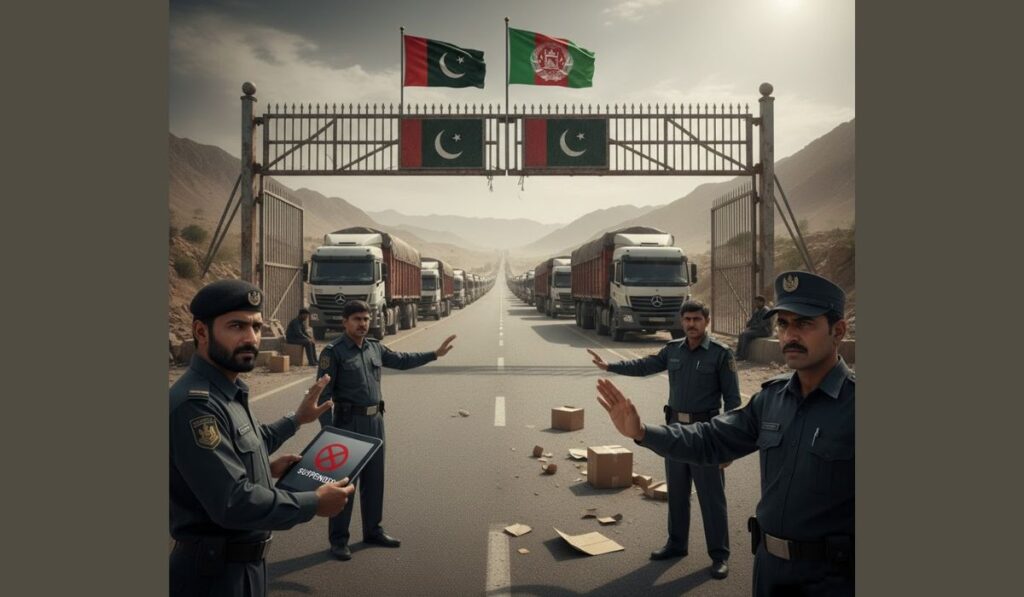
Pakistan’s Federal Board of Revenue (FBR) has suspended all import and export customs clearance at multiple border stations with Afghanistan, citing security threats following what officials described as “unprovoked aggression” from the Afghan side.
According to an FBR statement issued on Thursday, customs operations at Torkham, Ghulam Khan, Kharlachi and Angoor Adda have remained suspended since October 12, 2025, after escalating cross-border tensions jeopardized the safety of customs inspectors and staff deployed at these points. Most personnel have been recalled to headquarters for security reasons, though limited staff remains on standby to resume clearance once the situation normalizes.
The statement added that despite the disruption, the Collectorates of the Northern Region have cleared import consignments that had arrived before the border closures to prevent shortages of essential goods in domestic markets. Official data shows that 363 import vehicles with Goods Declarations (GDs) were processed before suspension.
At Torkham — the busiest border station in the northern region — around 255 export vehicles and 24 import vehicles remain parked at the terminal, while approximately 200 trucks are stranded along the Jamrud–Landi Kotal road. The situation has also affected Chaman Border Customs Station, where clearance was suspended from October 15, 2025. As of this week, five import and 25 export vehicles await clearance, with importers and exporters reportedly reluctant to file GDs amid uncertainty.
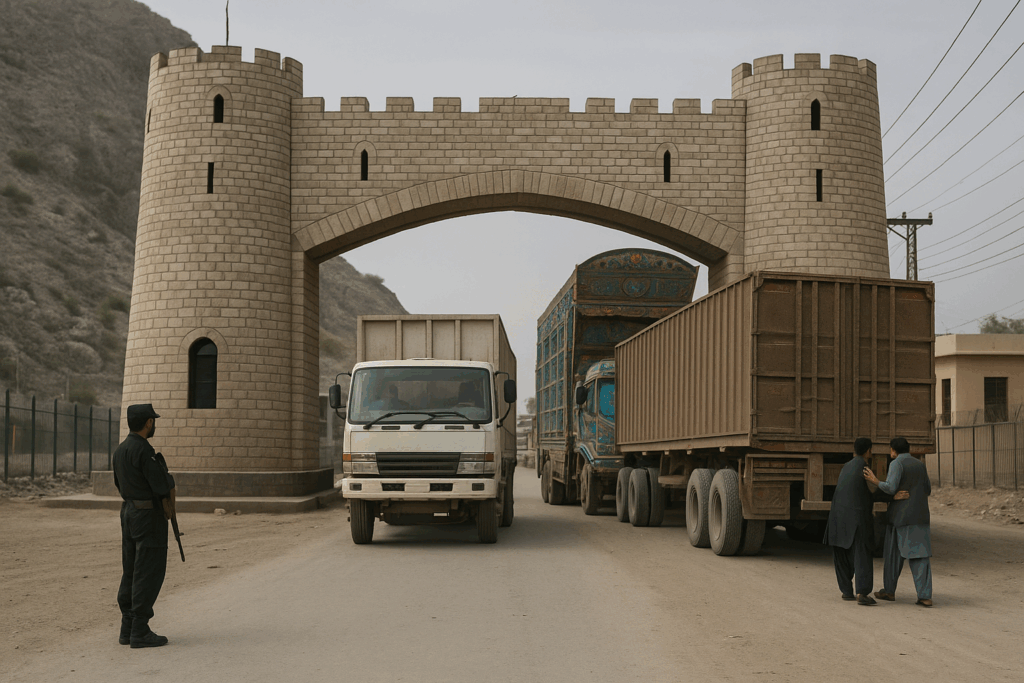
In addition to bilateral trade vehicles, about 500 trucks carrying Afghan transit trade goods are currently stuck at Torkham and Chaman, awaiting border reopening. According to Pakistan Customs data, these crossings collectively handle nearly 70% of overland trade with Afghanistan, making their closure a major blow to both countries’ border economies.
The FBR stated that it is closely monitoring developments and will restore customs operations once security conditions improve. The prolonged suspension risks deepening supply chain disruptions, particularly for agricultural and consumer goods, at a time when cross-border trade has already been under strain due to tightening security protocols and declining regional commerce.