 BeNewz

Related Articles

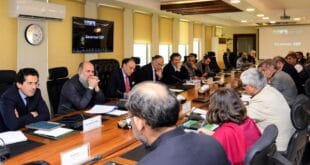
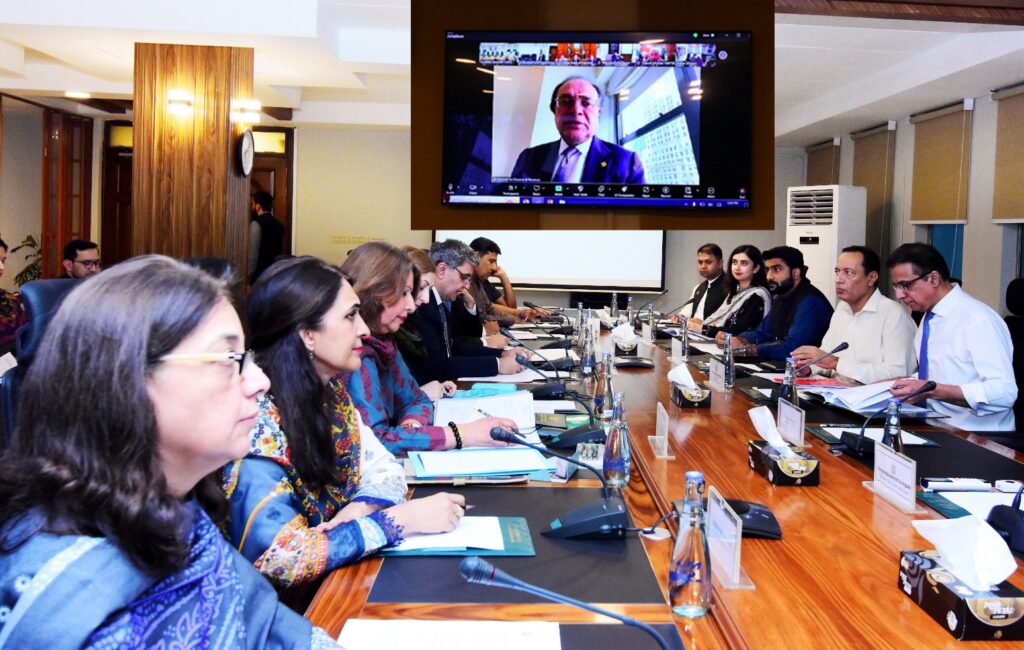
Finance Minister Muhammad Aurangzeb chaired the ECC meeting virtually, approving used vehicle imports with age and duty conditions until 2026.
Aftab Maken
The Economic Coordination Committee (ECC) of the Cabinet approved the commercial import of used vehicles under specific conditions during a meeting chaired virtually by Finance Minister Senator Muhammad Aurangzeb from New York on September 24. The move comes as part of broader economic adjustments aimed at regulating automotive imports while managing foreign exchange outflows.
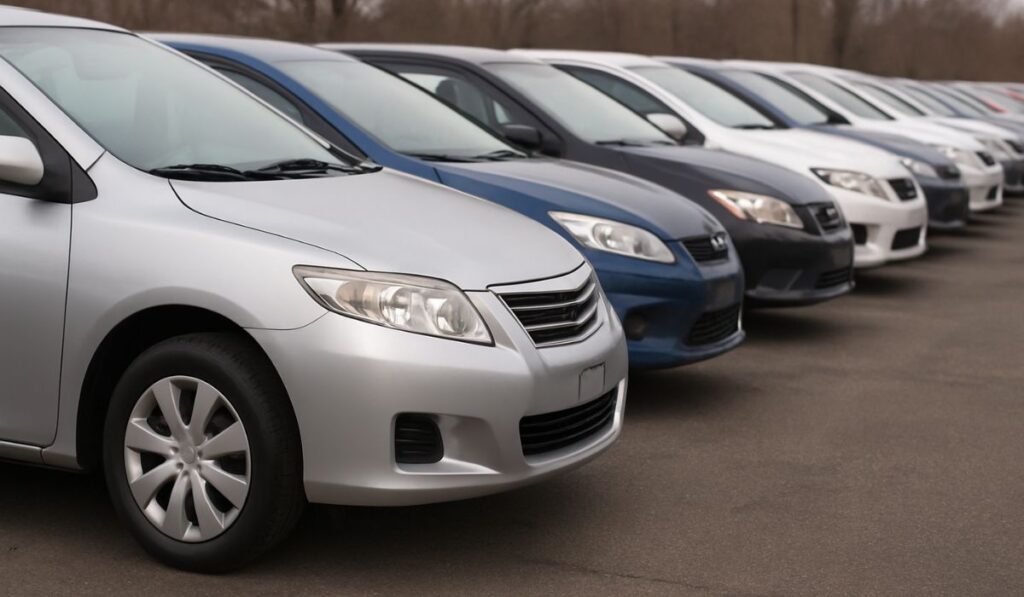
The ECC decided to amend the Import Policy Order, 2022, to allow the commercial importation of used vehicles, initially limited to cars not older than five years. This restriction will remain in effect until June 30, 2026. After that date, the age limit will be lifted entirely, allowing vehicles of any model year to be imported commercially, subject to compliance with environmental and safety regulations.
To safeguard local industry and manage trade deficits, the ECC imposed a 40 percent Regulatory Duty (RD) on the import of used vehicles, in addition to existing customs duties. This duty structure will be in place until June 30, 2026. Beginning in fiscal year 2026-27, the RD will be reduced by 10 percentage points each year, tapering down to zero by 2029-30. The phasing plan aligns with recommendations from the Tariff Policy Board and indicates a gradual liberalization of import controls over the next five years.
The commercial import of used vehicles had previously been tightly restricted, primarily limited to personal baggage schemes and expatriate allowances under specific government policies. Pakistan’s domestic automotive industry has long been protected by high import barriers, allowing local assemblers like Suzuki, Honda, and Toyota to dominate the market. However, rising car prices and limited model availability have triggered debates over opening up imports to enhance consumer choice and competition.
Environmental and safety compliance has been made a cornerstone of this policy shift. Imported vehicles must meet strict emission standards and safety certifications, although the exact benchmarks have not yet been publicly disclosed. This move aligns with global trends in green regulation and may mark an entry point for the import of electric or hybrid used vehicles, which have seen growing demand among urban consumers in Pakistan.
Industry stakeholders are likely to monitor this development closely. While the auto sector may raise concerns about increased competition, consumer advocacy groups and importers have welcomed the potential for more affordable vehicle options. However, the high initial duty rate until 2026 may keep prices elevated in the short term.
In addition to the automotive import decision, the ECC also approved a technical supplementary grant of Rs 800 million for the Pakistan Virtual Asset Regulatory Authority (PVARA). This allocation aims to support the regulatory framework for digital assets, an emerging focus area for the government amid global trends in cryptocurrency and blockchain governance. The establishment and funding of PVARA indicate Pakistan’s intention to formalize oversight of the growing digital finance space.
The ECC meeting was attended by key cabinet members, including Federal Ministers Ali Pervaiz Malik (Petroleum), Rana Tanveer Hussain (National Food Security), and Sardar Awais Ahmad Khan Leghari (Power), as well as senior officials from relevant ministries and regulatory agencies. The Finance Division hosted the session, with remote coordination facilitated by the Finance Minister’s overseas location.
This policy shift on used vehicle imports follows a period of significant fluctuation in Pakistan’s auto sector, which has seen declining sales due to high inflation, import restrictions, and currency devaluation. The government’s decision to ease import rules—albeit gradually—suggests an intent to stimulate market activity while retaining fiscal discipline through phased tax reductions.
Whether this measure will meaningfully curb prices or merely shift demand patterns remains to be seen. Nevertheless, the policy sets a structured timeline for liberalization and may lay the groundwork for a more competitive and environmentally regulated automotive market in Pakistan by the end of the decade.