 BeNewz

Related Articles


Aftab Maken
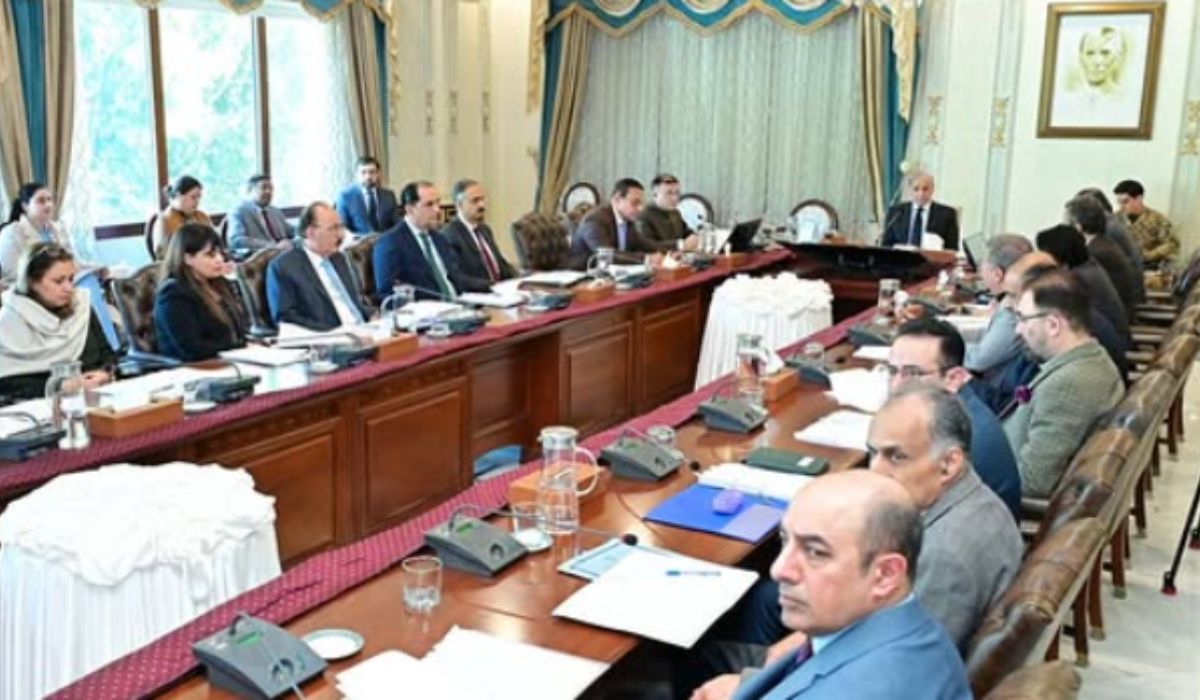
ISLAMABAD: The Cabinet Committee on Energy has approved a landmark decision to introduce integrated, long-term energy planning, ending decades of fragmented federal and provincial policymaking in the power and energy sector.
Under the decision, energy requirements, consumption trends, and production planning of both provincial and federal governments will be aligned through a single, coordinated framework. Until now, multiple institutions had been planning independently, often resulting in duplication, inefficiencies, and policy mismatches.
To operationalise the new framework, a dedicated secretariat will be established at the Power Planning and Monitoring Company (PPMC), an entity of the Power Division. The Power Division has been formally assigned responsibility for nationwide integrated energy planning, covering all energy sources, with a particular focus on promoting green and renewable energy.
Officials said the move would provide comprehensive analytical support to policymaking institutions and allow a unified view of Pakistan’s future energy needs. Centralised planning is also expected to improve forecasting, reduce capacity mismatches, and support investment decisions across the power, gas, and renewable sectors.
The cabinet committee, chaired by senior government officials, also approved another major reform aimed at restructuring Pakistan’s electricity market. A key decision was taken to advance wholesale electricity trading, laying the foundation for a competitive and liberalised power market.
As part of this reform, the committee approved the competitive trading framework, participation rules, and regulatory processes for the Competitive Trading Bilateral Contract Market, or CTBCM. The approval marks a critical step toward shifting the electricity sector away from a single-buyer model.
Under the new policy direction, the government will no longer enter into new power purchase agreements. Authorities said the state would gradually exit direct power procurement, allowing market-based mechanisms to determine prices and supply through competition.
Following the decision, an 800-megawatt competitive bidding process will be launched as an initial step under the new market structure. Officials emphasised that the bidding process would be conducted transparently to encourage broad participation from power producers and investors.
The Independent System and Market Operator, or ISMO, a body under the Power Division, has been assigned responsibility for conducting electricity auctions. The government believes this reform will improve efficiency, enhance price discovery, and reduce long-term costs in the power sector.
Energy sector analysts say the combined decisions on integrated planning and market liberalisation represent one of the most significant structural shifts in Pakistan’s power sector in recent years. If implemented effectively, the reforms could support renewable energy growth, attract private investment, and help stabilise the country’s energy outlook over the long term.