 BeNewz

Related Articles


Beneficiaries to achieve full digital payments by Jan 2026
Aftab Maken
ISLAMABAD: The Benazir Income Support Programme (BISP) has made remarkable progress in transitioning its payments to a digital system. However, full 100% adoption of digital wallets for all beneficiaries will be targeting complete rollout by January 2026.
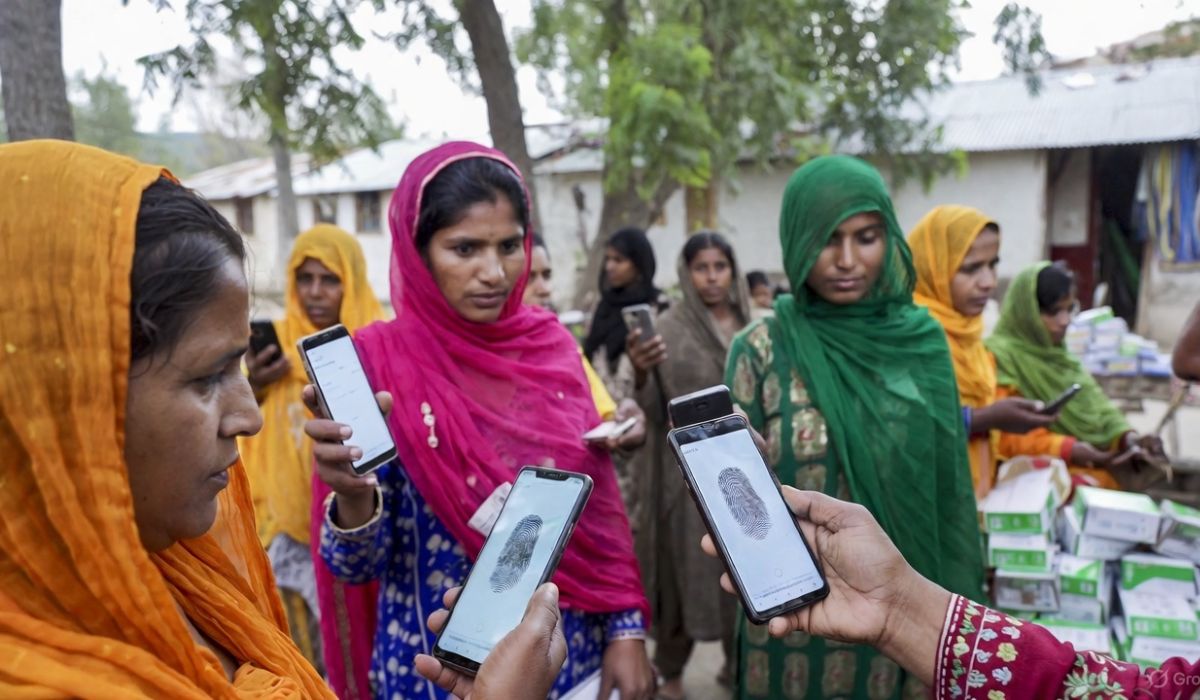
Over 10 million women beneficiaries – primarily from Pakistan’s poorest households – have now become formal bank account holders for the first time in the programme’s 16-year history. These CNIC-linked digital wallet accounts, accessible via mobile phones with biometric verification, aim to eliminate middlemen, reduce fraud, and empower women by giving them direct control over their stipends.
Leading banks have played a pivotal role in this transformation. Habib Bank Limited (HBL) has opened approximately 3.1 million accounts, followed closely by Bank Alfalah with 3 million. Other contributors include Bank of Punjab (2 million), JazzCash (1.2 million), and Easypaisa (nearly 700,000). This shift ends the era of manual cash distributions through agents, which often led to delays, deductions, and exploitation.
A key challenge in the rollout has been mobile phone ownership, particularly in rural areas. To address this, the government has distributed about 1.7 million free SIMs so far, with telecom operators like Jazz leading the effort by pre-linking many to JazzCash wallets. These SIMs enable biometric verification and direct access to funds, ensuring security and privacy.
Prime Minister Shehbaz Sharif has championed this initiative as part of his vision for a cashless Pakistan. He has set an ambitious target for 100% digital disbursements by June 2026. The phased timeline includes achieving 30% SIM coverage and mobile wallet linkage by January 2026, rising to 80% by March 2026. Earlier projections suggested faster implementation, but recent updates confirm the extended schedule to accommodate infrastructure and registration challenges.
Minister of State for Finance Bilal Azhar Kayani emphasised that this digital shift aligns with broader goals of transparency and women’s empowerment. “By removing agents and queues, we are ensuring that every rupee reaches the intended beneficiary,” he stated.
Adding to the positive developments, quarterly stipends under the Kafaalat programme are expected to increase from Rs 13,500 to Rs 14,500 starting January 2026. This adjustment, influenced by IMF recommendations to bolster social spending amid inflation, will provide much-needed relief to millions of low-income families. The government’s allocation of Rs 716 billion for BISP in the current fiscal year underscores its commitment to expanding the social safety net.
The digital transition also promotes financial literacy and inclusion. Beneficiaries can now withdraw funds via ATMs, partner bank branches, or mobile apps without debit cards – relying solely on biometric verification to prevent misuse. This not only enhances dignity but also reduces risks associated with cash handling.
Challenges remain, particularly in remote and rural regions where phone ownership and network coverage are limited. Coordination among BISP, NADRA, PTA, and telecom operators is ongoing to distribute millions more SIMs, with provincial targets set: 5.1 million for Punjab, 2.6 million for Sindh, and 2.2 million for Khyber Pakhtunkhwa, among others.
BISP Chairperson Senator Rubina Khalid has highlighted the programme’s role in women’s economic empowerment. “This is more than just payments; it’s about giving women independence and control over their finances,” she said.
As Pakistan moves towards a modern, interoperable digital payment ecosystem, the BISP initiative sets a precedent for transparent welfare delivery. With phased progress and increased stipends on the horizon, millions of vulnerable households stand to benefit from greater security, efficiency, and empowerment in the coming months.