 BeNewz

Related Articles



BeNewz Report
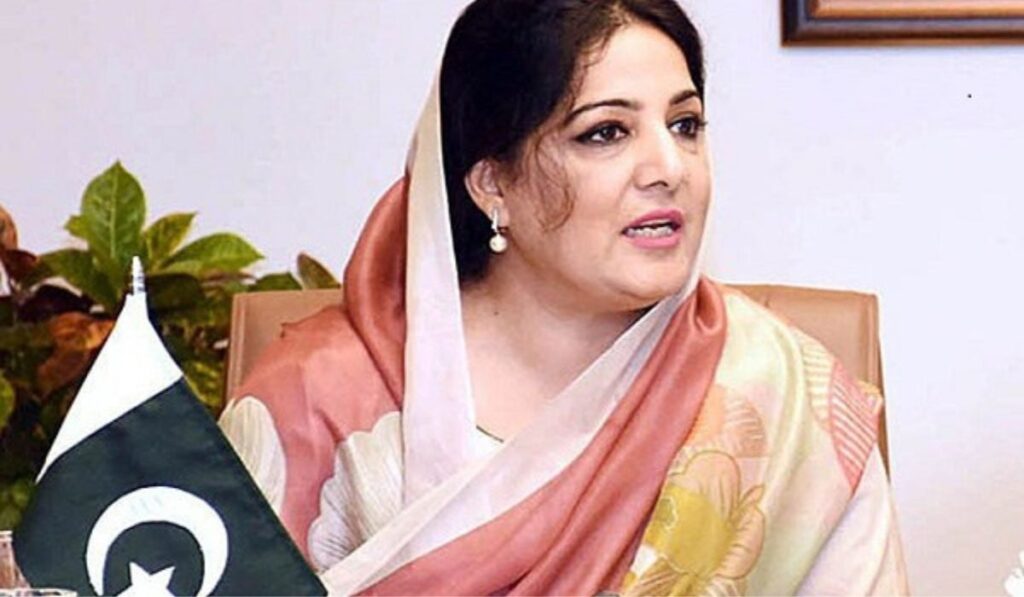
Former IT minister Anusha Rehman and PMLN leader have resigned from the Senate’s Standing Committee on IT amid deepening controversy over the PTCL-Ufone merger with Telenor Pakistan.
Ms Rehman, who is also on the Board of Directors of Ufone, failed to convince his committee fellow members to recommend the much-touted PTCL-Telenor merger from the CCP.
Also, Ms Rehman is under immense pressure for constantly failing to improve Ufone’s struggling balance sheet. Anusha Rehman’s resignation from the Senate’s IT Committee comes as scrutiny intensifies over Pakistan Telecommunication Company Limited’s (PTCL) financial practices and regulatory non-compliance, particularly regarding its $1 billion merger with Telenor Pakistan. She has reportedly shifted to the Senate’s Health Committee following a contentious committee session where senators raised concerns over financial opacity and conflict of interest.
Rehman, who sits on the board of directors for Ufone—a PTCL subsidiary—was indirectly implicated when IT ministry officials refused to disclose the names of Ufone’s board directors to the committee. Senator Kamran Murtaza disclosed during the session that each Ufone board member receives $5,000 per meeting despite PTCL’s deteriorating financial health. This revelation amplified concerns about mismanagement and lavish spending in a loss-making telecom entity.
PTCL, which is listed on the Pakistan Stock Exchange, has faced increasing criticism for allegedly absorbing Ufone’s financial losses within its own books. This practice, known as cross-subsidization, has not only masked Ufone’s performance but may have deprived the federal government—one of PTCL’s shareholders—of legitimate dividends. Ufone, unlike its parent company, is not publicly listed, making financial oversight even more challenging.
Since PTCL announced its plan to acquire Telenor Pakistan, regulatory authorities have flagged several red flags. The Competition Commission of Pakistan (CCP), which is tasked with overseeing fair competition and anti-cartelization measures, has raised particular concern over PTCL’s lack of transparency in the proposed $1 billion merger deal.
In a recent briefing to the Senate IT Committee, CCP revealed that PTCL has repeatedly failed to present a viable $1 billion investment plan—one of the regulatory conditions for the merger’s approval. The CCP also criticized PTCL for challenging critical Pakistan Telecommunication Authority (PTA) regulations in court, effectively stalling oversight.
These legal maneuvers, including obtaining stay orders against the Significant Market Power (SMP) determination, have allowed PTCL to avoid regulatory scrutiny, particularly concerning its Reference Interconnect Offer (RIO), which sets tariffs and rates charged to other telecom operators. Without RIO approval, PTA’s control over PTCL’s pricing strategies remains ineffective, leading to fears of unfair market practices.
Compounding the issue is the joint management structure between PTCL and Ufone. Although PTCL holds a Long Distance International (LDI) license and Ufone operates under a Cellular Mobile Operator (CMO) license, their shared leadership has blurred operational boundaries. CCP noted that this arrangement could facilitate cross-subsidization and create significant distortions in the telecom market.
The CCP emphasized that such internal overlaps undermine fair competition, especially in a market where PTCL already enjoys dominance across both upstream and downstream telecom segments. Historical precedents reinforce these fears. PTCL was previously found guilty of collusion in the controversial International Clearing House (ICH) case, where it, along with 13 other licensees, was fined for engaging in anti-competitive behavior in the LDI segment.
The current merger proposal with Telenor only intensifies these concerns. Telenor Pakistan, while struggling financially, brings a substantial market presence. Analysts warn that if PTCL consolidates Telenor’s market share without adequate safeguards and regulatory compliance, it could result in excessive market control—especially given PTCL’s history of leveraging its dominance.
With the government holding a substantial minority stake in PTCL, any losses or revenue manipulation could have direct fiscal implications. The company’s alleged history of misreporting, board-level extravagance, and regulatory evasion paints a troubling picture for Pakistan’s telecom sector.
Anusha Rehman’s exit from the IT Committee may help her avoid a potential conflict of interest, but it also underscores growing institutional discomfort with how PTCL has managed the merger process. As the Senate prepares for further investigation and the CCP continues to review the merger’s competitive impact, the fate of the $1 billion deal remains uncertain.
The PTCL-Telenor merger has become a litmus test for Pakistan’s regulatory enforcement and corporate governance standards. Whether the deal proceeds or is stalled will depend heavily on how the CCP, PTA, and lawmakers address the fundamental concerns of market fairness, transparency, and financial accountability.